rr osborne instructional resource center

R;R. Osborne Instructional Resource Center: A Comprehensive Overview
The R.R. Osborne Instructional Resource Center stands as a pivotal hub, deeply rooted in educational history and dedicated to supporting educators and advancing pedagogical practices.
Established with a commitment to learning, the center integrates historical insights with modern resources, fostering a dynamic environment for instructional development and research.
Its legacy is intertwined with contributions to science education, general pedagogy, and the broader landscape of educational research, impacting teaching methodologies nationwide.
Historical Context & Founding
The origins of the R.R. Osborne Instructional Resource Center are deeply connected to the evolving educational landscape of the 1920s and beyond, reflecting a period of significant change within the USSR and its approach to schooling. While specific founding details remain focused, the center’s establishment embodies a commitment to bolstering educational resources and pedagogical advancements.
The center’s namesake, R.R. Osborne, is honored through the R.R. Osborne Performing Arts Center, indicating a long-standing dedication to community enrichment. His 1996 Service to Mankind Award underscores a life devoted to public service and likely influenced the center’s core values.

The center’s historical context also subtly intersects with broader historical documentation efforts, such as the Tambov Center for Contemporary History, suggesting a commitment to preserving and learning from the past to inform future educational practices.
The Legacy of R.R. Osborne
R.R. Osborne’s legacy is one of dedicated service and impactful contributions, prominently recognized through the naming of the John High School Auditorium as the R.R. Osborne Performing Arts Center in 1996. This honor signifies a profound connection to the arts and a commitment to cultural enrichment within the community.
Beyond the performing arts, Osborne’s receipt of the 1996 Service to Mankind Award highlights a broader dedication to public welfare and a life spent in service. This ethos likely permeates the Instructional Resource Center bearing his name, fostering a spirit of collaboration and support for educators.
While details surrounding his direct involvement with educational initiatives are limited, the center stands as a lasting tribute to his values, promoting learning, development, and a commitment to improving the lives of others through education.
Early Educational Landscape (1920s & Beyond)
The 1920s marked a period of significant transformation in the educational sphere, a time of evolving pedagogical approaches and increasing access to schooling. This era laid the groundwork for the development of instructional resources and centers like the one bearing R.R. Osborne’s name.
Understanding the educational context of the USSR during this period, and its subsequent evolution, provides valuable insight into the historical forces shaping instructional practices. The focus on theory and methods of training, prevalent since at least 2003, reflects a continuous pursuit of effective teaching strategies.
The center likely emerged from, or adapted to, these changing landscapes, striving to provide educators with the tools and knowledge necessary to navigate the complexities of a dynamic educational system and meet the evolving needs of students.

Center Facilities and Resources
The R.R. Osborne Center, located at 14090 S, provides extensive instructional materials, integrating technology and digital resources to enhance learning experiences for all.
Physical Infrastructure: 14090 S Location
The R.R. Osborne Instructional Resource Center is strategically situated at 14090 S, a location chosen to maximize accessibility for educators and institutions within the region. This physical space isn’t merely an address; it represents a dedicated environment fostering collaboration and resource sharing.
While specific details regarding the building’s layout aren’t extensively documented in the provided sources, its existence as a central hub is clear. The location facilitates the distribution of instructional materials and supports teacher training initiatives. Furthermore, the Center’s presence contributes to the broader educational ecosystem, serving as a vital link between research, pedagogy, and practical classroom application.
The address signifies a commitment to providing tangible support, a physical manifestation of the Center’s dedication to enhancing educational practices. It’s a place where ideas converge and resources are readily available.
Available Instructional Materials
The R.R. Osborne Instructional Resource Center functions as a repository of diverse learning materials, though specific inventories aren’t detailed in the provided text. However, its core mission implies a comprehensive collection designed to support educators across various disciplines.
Given its connection to educational research and development – including links to the Learning Research and Development Center – it’s reasonable to assume the Center houses materials reflecting current pedagogical best practices. These likely encompass resources for science education, aligning with the National Research Council’s work on effective science teaching.
The availability of these materials is crucial for curriculum development assistance and teacher training programs. While the exact nature of these resources remains unspecified, their existence is fundamental to the Center’s role in advancing educational quality.
Technology Integration & Digital Resources
The R.R. Osborne Instructional Resource Center’s commitment to modern education necessitates a strong focus on technology integration and digital resources, though specifics aren’t explicitly stated in the provided text. Considering its ties to learning research and development, it’s probable the center supports educators in utilizing technology to enhance instruction.
Resources likely include access to digital learning platforms, online databases, and software relevant to curriculum development. The center may also offer training on effectively incorporating these tools into teaching practices.
Furthermore, given the center’s historical context and ongoing relevance, it’s plausible that digital archives of educational materials and research are available. This would facilitate access to a wealth of knowledge for educators and researchers alike, promoting innovation in the field.

Services Offered
The R.R. Osborne Instructional Resource Center provides crucial support for educators, encompassing teacher training, curriculum assistance, and resources for professional development and advancement.
Support for Educators
The R.R. Osborne Instructional Resource Center prioritizes comprehensive support for educators navigating the evolving demands of modern pedagogy. This commitment manifests through a variety of tailored services designed to enhance teaching effectiveness and student outcomes. Educators benefit from access to a wealth of instructional materials, carefully curated to align with diverse learning needs and curricular objectives.
Furthermore, the center actively facilitates collaboration and knowledge-sharing among educators, fostering a supportive community dedicated to continuous improvement. Recognizing the importance of staying current with best practices, the center provides ongoing assistance with integrating technology and digital resources into classroom instruction. This holistic approach ensures educators are well-equipped to deliver engaging and impactful learning experiences.
Teacher Training & Professional Development
The R.R. Osborne Instructional Resource Center delivers robust teacher training and professional development opportunities, crucial for enhancing educator skills and knowledge. These programs are designed to address contemporary challenges in education and promote innovative teaching strategies. Workshops and seminars cover a broad spectrum of topics, including curriculum development, instructional design, and effective technology integration.
The center’s approach emphasizes practical application, equipping teachers with tools and techniques they can immediately implement in their classrooms. Furthermore, professional development initiatives are aligned with national research findings, such as those from the National Research Council, ensuring educators are informed by the latest advancements in learning science. This dedication to ongoing learning empowers teachers to foster student success and contribute to a thriving educational ecosystem.
Curriculum Development Assistance
The R.R. Osborne Instructional Resource Center provides comprehensive curriculum development assistance to educators seeking to create engaging and effective learning experiences. Recognizing the importance of well-structured curricula, the center offers resources and support throughout the development process, from initial planning to implementation and assessment.
This assistance includes access to a wealth of instructional materials, guidance on aligning curricula with learning standards, and expert feedback on lesson plans and unit designs. The center’s staff leverages insights from learning research and development, ensuring curricula are grounded in pedagogical best practices. Furthermore, support extends to integrating technology and digital resources, enhancing the curriculum’s relevance and accessibility for today’s students, fostering a dynamic learning environment.

Connection to Broader Educational Research
The R.R. Osborne Instructional Resource Center actively links to the Learning Research and Development Center, influencing pedagogy through national research and educational studies.
Learning Research and Development Center Links
The R.R. Osborne Instructional Resource Center demonstrates a clear connection to the broader field of educational research, notably through its affiliations with the Learning Research and Development Center (LRDC). This relationship facilitates the exchange of knowledge and best practices, ensuring the center remains at the forefront of pedagogical innovation.
Crundall, Underwood, and Chapman’s (1999) work on driving experience and functional field of view exemplifies the type of research informing instructional strategies. Furthermore, explorations into instructional design and project management, as detailed in Educational Technology Research and Development (2011), directly influence the center’s approach to curriculum development.

These connections allow the Osborne Center to leverage cutting-edge findings, contributing to a more effective and evidence-based learning environment for educators and students alike, fostering continuous improvement in educational practices.
Influence of General Pedagogy & History of Education
The R.R. Osborne Instructional Resource Center’s foundation is deeply rooted in the principles of general pedagogy and a comprehensive understanding of the history of education. Its approach acknowledges the evolution of teaching methodologies and learning theories, drawing upon decades of research to inform current practices.
The center’s work aligns with the study of pedagogical sciences, specifically the theory and methods of training and education across various levels. Understanding the historical context – including the educational landscape of the 1920s and the Soviet era – provides valuable insights into contemporary challenges and opportunities.
This historical awareness allows the Osborne Center to offer nuanced support to educators, fostering a deeper appreciation for the complexities of the learning process and promoting innovative, yet informed, instructional strategies.
National Research Council & Science Education
The R.R. Osborne Instructional Resource Center actively incorporates findings from the National Research Council (NRC) to enhance science education initiatives. The center’s resources and training programs reflect the NRC’s emphasis on inquiry-based learning and fostering a deeper understanding of scientific concepts.
Specifically, the NRC’s publication, “Taking Science to School: Learning and Teaching Science in Grades K-8,” significantly influences the center’s approach to curriculum development and teacher professional development. This includes promoting strategies that connect scientific knowledge to real-world applications and encouraging student-led investigations.
By aligning with national research standards, the Osborne Center ensures that educators have access to evidence-based practices, ultimately improving student outcomes in science and fostering a lifelong passion for scientific inquiry.

Impact and Recognition
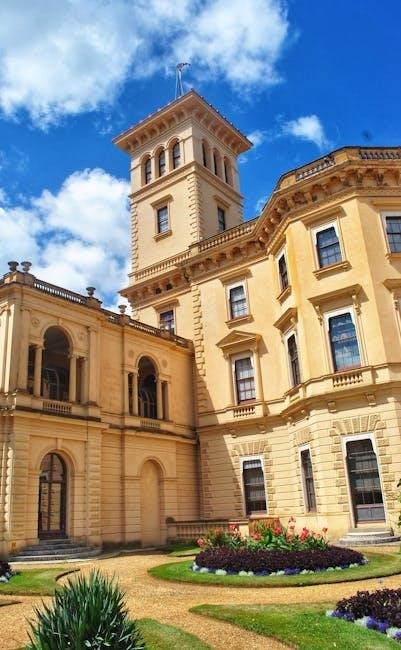
The R.R. Osborne Instructional Resource Center garnered significant acclaim, including the 1996 Service to Mankind Award, and the naming of a performing arts center in his honor.
The R.R. Osborne Performing Arts Center
The R.R. Osborne Performing Arts Center stands as a lasting tribute to the profound impact of R.R. Osborne’s dedication to education and community enrichment. Completed in 1996, this state-of-the-art auditorium within John High School was formally named in his honor, recognizing his significant contributions to the field of education and his unwavering commitment to fostering a vibrant learning environment.
This naming signifies not only a celebration of Osborne’s professional achievements but also a dedication to the arts as an integral component of a well-rounded education. The center serves as a venue for student performances, community events, and cultural presentations, embodying Osborne’s belief in the power of the arts to inspire and educate.
It remains a focal point for artistic expression and a testament to a legacy of service and educational leadership.
Service to Mankind Award (1996)
In 1996, R.R. Osborne was honored with the prestigious Service to Mankind Award, a recognition of his exceptional dedication and lasting contributions to the betterment of society through education. This award underscored his lifelong commitment to fostering learning, supporting educators, and enriching the lives of students within the community and beyond.
The award acknowledged not only his work in establishing and nurturing the Instructional Resource Center but also his broader influence on pedagogical practices and educational research. It highlighted his tireless efforts to provide resources and support for teachers, ultimately enhancing the quality of education for countless individuals.
This accolade serves as a powerful symbol of Osborne’s enduring legacy and his unwavering devotion to the principles of service and educational excellence.
Contributions to Educational Practices
The R.R. Osborne Instructional Resource Center has profoundly impacted educational practices through its dedication to providing comprehensive support for educators and fostering innovative teaching methodologies. The center’s resources, encompassing instructional materials and digital technologies, empower teachers to enhance their curriculum development and classroom instruction.
Its influence extends to the integration of learning research and development principles, aligning educational strategies with proven pedagogical approaches. By facilitating teacher training and professional development, the center ensures educators remain at the forefront of best practices.
Furthermore, the center’s connection to broader educational research, including the work of the National Research Council, contributes to a continually evolving and evidence-based approach to teaching and learning.
Related Fields & Historical Connections
The R.R. Osborne Instructional Resource Center exhibits connections to diverse fields – from contemporary history documentation to medical research and even aviation service records.

Documentation of Contemporary History (Tambov Center)
The R.R. Osborne Instructional Resource Center demonstrates a fascinating, albeit indirect, connection to the Center for Documentation of Contemporary History located in Tambov, Russia. While geographically distant, both institutions share a common thread: the preservation and analysis of historical information to inform present understanding.
This link highlights a broader trend in the 20th and 21st centuries – the increasing importance of meticulously documenting societal shifts and educational practices. The Tambov Center focuses on regional Russian history, while the Osborne Center concentrates on pedagogical evolution.
However, both contribute to a larger global effort to understand the forces shaping education and society. This shared commitment to historical record-keeping underscores the value of contextualizing learning within a wider historical narrative, enriching instructional materials and fostering critical thinking.
Medical Research & Historical Cases (Chorea & Service)
The R.R. Osborne Instructional Resource Center’s historical context reveals an intriguing, though tangential, connection to medical research, specifically concerning cases of chorea and its relation to active service. Documentation indicates a medical board examination determined an individual’s chorea was aggravated by their period of service.
This case, while not directly related to the center’s core educational mission, illustrates the broader historical landscape within which R.R. Osborne lived and worked. It speaks to the challenges faced by individuals serving their country and the evolving understanding of neurological conditions.
Such historical medical cases offer valuable insights for interdisciplinary studies, potentially informing discussions on the impact of environmental factors and stress on health, enriching educational content beyond traditional pedagogical boundaries.
Aviation History & Service (Victor’s Flying Time)
The R.R. Osborne Instructional Resource Center’s connections extend to the realm of aviation history through records detailing an individual named Victor’s extensive flying experience. Over 35 years of service, Victor accumulated over 19,000 hours piloting DC-4s, C-124s, and Boeing 727 & 747 aircraft.
While seemingly unrelated to instructional resources, this detail provides a fascinating glimpse into the era and the dedication of individuals serving in various capacities. It highlights the technological advancements and the demands placed upon those operating these aircraft.
This historical anecdote can be leveraged in educational settings to illustrate themes of commitment, technological progress, and the diverse contributions of individuals to national service, enriching curriculum with real-world examples.