the catcher in the rye pdf

The Catcher in the Rye PDF: A Comprehensive Guide (Updated 02/17/2026)
Today, February 17th, 2026, finding a free, legal PDF of J․D․ Salinger’s The Catcher in the Rye proves challenging due to copyright restrictions and online availability․
Understanding the Search for a Catcher in the Rye PDF
The desire to access The Catcher in the Rye as a PDF is widespread, fueled by its enduring popularity and status as a literary classic․ Many students, researchers, and casual readers seek a convenient, digital format for study and enjoyment․ However, the search often leads to frustration, as readily available, legitimate PDF versions are scarce․
The core issue stems from copyright law․ J․D․ Salinger’s work remains protected, preventing free distribution of the complete novel in PDF format․ Online searches frequently yield results from unofficial sources, raising concerns about legality and security․ Users often encounter websites promising free downloads, but these frequently require sign-ups, contain malware, or offer incomplete versions․
The appeal of a PDF lies in its portability and accessibility․ Readers can access the book on various devices – laptops, tablets, and smartphones – without needing a physical copy․ Despite this convenience, navigating the online landscape requires caution and awareness of potential risks associated with unauthorized downloads․
Legality of Free PDF Downloads
Downloading a PDF of The Catcher in the Rye from unauthorized sources is generally illegal․ As a copyrighted work, distributing or obtaining the book without permission from the copyright holder – the Salinger estate – constitutes copyright infringement․ This can lead to legal consequences, though prosecution of individual downloaders is relatively rare․
Websites offering “free PDF downloads” often operate in a legal gray area, or outright violate copyright laws․ These sites frequently rely on advertising revenue or collect user data, potentially exposing visitors to malware and viruses․ Even if a site doesn’t require payment, accessing copyrighted material without authorization is unlawful․
Legitimate access requires purchasing the eBook from authorized retailers or borrowing it from a library․ While temporary access might be available through subscription services like Scribd via free trials, permanent free PDF downloads are not legally obtainable․ Respecting copyright protects authors and encourages continued literary creation․
Copyright Status of The Catcher in the Rye
J․D․ Salinger’s The Catcher in the Rye remains fully protected by copyright, despite the author’s death in 2010․ Copyright extends for 70 years after the author’s death in many jurisdictions, meaning the book will not enter the public domain until 2080 in the United States, and similar timelines apply elsewhere․
This copyright protection grants exclusive rights to the Salinger estate, controlling reproduction, distribution, adaptation, and display of the work․ Consequently, creating and sharing PDF copies without permission is a violation of these rights․ The estate has historically been very protective of Salinger’s work, actively pursuing copyright infringements․
The lack of a public domain status explains the difficulty in finding legal, free PDF versions․ While excerpts may be used for educational purposes under fair use guidelines, distributing the entire novel requires explicit authorization from the copyright holder․ Any website claiming to offer a free, full PDF is likely operating illegally․
Why Free, Legal PDFs are Difficult to Find
The primary reason for the scarcity of free, legal Catcher in the Rye PDFs stems directly from its robust copyright protection, as previously discussed․ Publishers and the Salinger estate prioritize revenue generation through book sales and licensed digital editions․
Furthermore, the demand for the novel ensures continued profitability, diminishing any incentive to release a free PDF․ Unlike older works entering the public domain, there’s no legal pathway for widespread, cost-free distribution․ Attempts to circumvent copyright, like unauthorized scanning and uploading, are swiftly addressed with takedown notices․
Even promotional offers or limited-time free access are rare, as the book consistently maintains strong sales figures․ While libraries offer digital lending options, these are governed by licensing agreements, not outright free availability․ Consequently, legitimate access typically requires a purchase or library borrowing, making free, legal PDFs exceptionally hard to locate․
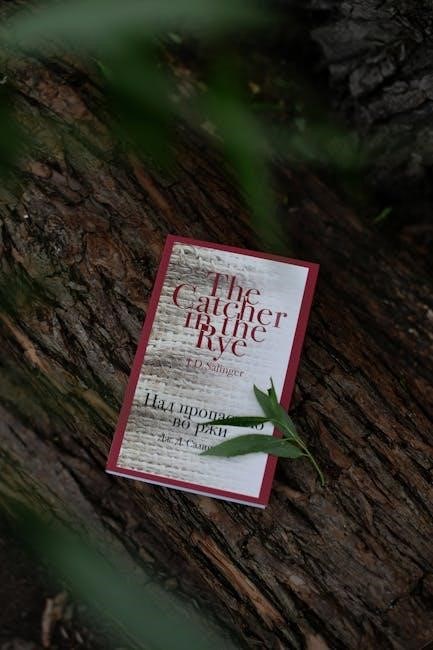
Exploring Available Options for Accessing the Book
Despite the difficulty finding free PDFs, purchasing options, library access, and subscription services like Scribd offer legitimate ways to experience The Catcher in the Rye․
Official Sources for Purchasing the Book
Securing a copy of The Catcher in the Rye through official channels guarantees a legitimate reading experience and supports the author’s estate․ Major booksellers, both online and in brick-and-mortar stores, consistently stock this classic novel․ Purchasing directly from these sources ensures you receive a high-quality edition, free from the risks associated with unauthorized downloads․
Leading retailers like Amazon, Barnes & Noble, and independent bookstores offer various formats, including paperback, hardcover, and digital editions․ These platforms often feature customer reviews, allowing prospective readers to gauge the quality and content of the book․ Furthermore, buying from official sources contributes to the continued availability of literature and respects copyright laws․
Consider exploring the publisher’s website for exclusive editions or bundled offers․ Direct purchases often come with added benefits, such as author interviews or supplementary materials․ Avoiding unofficial PDF sources protects you from potential malware and ensures you’re enjoying a legally obtained copy of this iconic work․
Digital Book Retailers (Kindle, Kobo, etc․)
Numerous digital book retailers provide convenient access to The Catcher in the Rye, offering a legal alternative to searching for elusive PDF downloads․ Platforms like Kindle, Kobo, and Apple Books allow readers to purchase and instantly download the eBook to their preferred devices․
These retailers often feature competitive pricing and promotional offers, making digital copies an affordable option․ Furthermore, eBooks offer adjustable font sizes, built-in dictionaries, and the ability to highlight and annotate passages – enhancing the reading experience․ Synchronization across multiple devices ensures seamless reading, regardless of location․
While temporary access might be available through subscription services, purchasing the eBook provides permanent ownership․ Digital retailers prioritize secure transactions and copyright protection, safeguarding both the reader and the author’s rights․ Choosing these platforms supports the literary ecosystem and guarantees a legitimate copy of Salinger’s masterpiece․
Library Access: Borrowing the eBook or Physical Copy
Public and academic libraries represent a fantastic, legal avenue for accessing The Catcher in the Rye without purchasing it․ Many libraries offer digital lending services, allowing patrons to borrow eBooks directly through platforms like Libby or OverDrive, eliminating the need to search for potentially risky PDF downloads․
This service is typically free with a valid library card, providing a cost-effective solution for readers․ Beyond eBooks, physical copies are readily available for borrowing, offering a traditional reading experience․ Library collections are continually updated, ensuring access to popular titles like Salinger’s novel․
Libraries champion intellectual freedom and responsible access to information, upholding copyright laws․ Borrowing from a library supports these vital institutions and promotes literacy within the community․ Checking your local library’s website or visiting in person will reveal their holdings and digital lending options for The Catcher in the Rye․
Subscription Services Offering the Book (Scribd, etc․)
Digital subscription services, such as Scribd, present another legitimate pathway to reading The Catcher in the Rye․ These platforms operate on a monthly or annual fee, granting access to a vast library of eBooks, audiobooks, and other digital content․ While not a free PDF download, they offer a legal and convenient alternative․
Scribd, for instance, sometimes includes The Catcher in the Rye in its catalog, though availability can fluctuate due to licensing agreements․ Many such services offer free trial periods, potentially allowing temporary access to the book․ However, users should carefully review the terms and conditions of these trials to avoid unexpected charges․

Choosing a subscription service provides a secure and copyright-compliant reading experience, avoiding the risks associated with downloading from unverified sources․ It’s a viable option for avid readers who consume multiple books regularly, offering substantial value beyond a single title․

Navigating PDF Websites and Potential Risks
Numerous websites advertise free PDF downloads, but accessing The Catcher in the Rye this way carries significant risks, including malware, viruses, and copyright infringement․
PDFDrive and Similar Platforms: A Cautionary Approach
PDFDrive and comparable platforms offering seemingly free PDF downloads of copyrighted works like The Catcher in the Rye necessitate extreme caution․ While these sites boast extensive libraries, their legality and security are highly questionable․ The availability of the book on such platforms doesn’t equate to lawful access; it often signifies copyright violation․
Users frequently encounter deceptive advertising, intrusive pop-ups, and potentially harmful downloads when navigating these websites․ The “free” access is often subsidized by aggressive advertising practices or, more concerningly, by distributing malware and viruses․ Downloading from unverified sources exposes your device and personal information to significant risk․
Furthermore, the quality of PDFs found on these sites can be subpar, featuring scanning errors, missing pages, or poor formatting․ It’s crucial to remember that supporting illegal distribution undermines authors and publishers, hindering the creation of future literary works․ Prioritize legal and ethical access methods instead․
Risks Associated with Downloading from Unverified Sources

Downloading The Catcher in the Rye PDF from unverified websites carries substantial risks beyond simply violating copyright law․ These platforms are breeding grounds for malicious software, including viruses, malware, and spyware, which can compromise your device and steal sensitive data․ Often disguised as legitimate files, these threats can cause significant damage․
Unverified sources frequently lack adequate security protocols, leaving your computer vulnerable to hacking and identity theft․ Pop-up advertisements and deceptive download links are common tactics used to trick users into installing unwanted programs․ Even seemingly harmless PDFs can contain embedded malicious code that activates upon opening․
Furthermore, the downloaded file itself might be corrupted or incomplete, rendering it unusable․ Protecting yourself requires vigilance and a commitment to accessing content through legitimate, secure channels․ Prioritizing your digital safety is paramount when seeking digital copies of copyrighted material․
Malware and Virus Concerns with Illegal Downloads
Illegally downloading a Catcher in the Rye PDF significantly elevates your risk of encountering malware and viruses․ Unofficial websites offering free copies often bundle these malicious programs with the desired file, exploiting users seeking convenient access․ These threats range from annoying adware to devastating ransomware, capable of encrypting your data and demanding payment for its release․
Viruses embedded within seemingly harmless PDFs can corrupt system files, leading to crashes, data loss, and compromised performance․ Malware can also silently steal personal information, including passwords, financial details, and browsing history․ The lack of security vetting on these sites means there’s no guarantee the file is what it claims to be․
Protecting yourself requires a robust antivirus program and a cautious approach to online downloads․ Always scan downloaded files before opening them, and avoid websites with a history of distributing illegal content․ Prioritize legal avenues for accessing the book to safeguard your digital wellbeing․
The Importance of Secure Websites (HTTPS)
When searching for a Catcher in the Rye PDF, prioritizing websites utilizing HTTPS is crucial for online safety․ The “S” signifies a secure connection, encrypting data transmitted between your device and the website, protecting your personal information from potential interception․ Websites lacking HTTPS are vulnerable to “man-in-the-middle” attacks, where malicious actors can steal your data․
Even if a site appears legitimate, the absence of HTTPS is a significant red flag․ Look for the padlock icon in your browser’s address bar – this visually confirms a secure connection․ Avoid entering any personal details, such as payment information or email addresses, on non-HTTPS sites․
While HTTPS doesn’t guarantee a site is entirely trustworthy, it’s a fundamental security measure․ Coupled with caution and a reputable antivirus program, it significantly reduces your risk when navigating the internet in search of digital books like this classic novel․

The Book Itself: A Summary and Analysis
J․D․ Salinger’s novel centers on Holden Caulfield’s expulsion and subsequent journey through New York City, grappling with “phoniness” and seeking genuine connection․
Plot Overview: Holden Caulfield’s Journey
The narrative unfolds following Holden Caulfield’s dismissal from Pencey Prep, his latest in a string of boarding school expulsions․ Rather than returning home immediately to face his parents, Holden embarks on a solitary sojourn through New York City during Christmas time․ This period becomes a crucial exploration of his internal turmoil and disillusionment with the adult world, which he perceives as overwhelmingly “phony․”
His journey isn’t marked by grand adventures, but rather a series of fleeting encounters – with former teachers, acquaintances, and strangers․ He wanders through Central Park, attempts to reconnect with old flames, and contemplates his future․ A central focus is his deep affection for his younger sister, Phoebe, representing a purity he desperately seeks but feels increasingly distant from․ The lost foils on the subway symbolize his carelessness and inability to hold onto things of value․ Ultimately, Holden’s breakdown and subsequent institutionalization hint at a fragile mental state, leaving his future uncertain․
Key Characters: Holden, Phoebe, Stradlater, Ackley
Holden Caulfield, the protagonist, is a cynical and alienated teenager grappling with grief, identity, and the perceived hypocrisy of the adult world․ His narration drives the entire story, colored by his unique perspective and emotional vulnerability․
Phoebe Caulfield, Holden’s younger sister, embodies innocence and genuine connection․ She serves as a beacon of hope and a source of comfort for Holden, representing the purity he desperately tries to preserve․
Stradlater is Holden’s handsome and popular roommate, representing the superficiality and “phoniness” that Holden despises․ Their conflict highlights Holden’s anxieties about sex and relationships․
Ackley is a socially awkward and irritating classmate who provides a contrasting, yet equally flawed, portrayal of adolescence․ His presence underscores Holden’s feelings of isolation and his difficulty forming genuine connections․
Major Themes: Phoniness, Alienation, Loss of Innocence
Phoniness is arguably the central theme, representing Holden’s intense aversion to hypocrisy and artificiality in the adult world․ He constantly criticizes those he deems “phony,” revealing his yearning for authenticity and genuine connection․
Alienation permeates Holden’s experience, stemming from his expulsion from school, the death of his brother Allie, and his inability to connect with others on a meaningful level․ This isolation fuels his cynicism and contributes to his emotional distress․
The loss of innocence is a poignant theme, as Holden struggles to reconcile his idealized view of childhood with the complexities and disappointments of adulthood․ He desperately tries to protect Phoebe’s innocence, symbolizing his own desire to preserve a lost purity․
These interconnected themes explore the universal struggles of adolescence, identity formation, and the search for meaning in a seemingly superficial world․
Symbolism in The Catcher in the Rye (The Red Hunting Hat)
Holden’s red hunting hat is a potent symbol throughout the novel, representing his individuality and desire for uniqueness․ He often wears it backwards, signaling his rejection of societal norms and his attempt to stand out from the “phonies” surrounding him․
The hat also embodies Holden’s vulnerability and need for protection․ It provides him with a sense of comfort and security in a world he perceives as hostile and alienating․ He frequently puts it on when feeling insecure or overwhelmed;
Furthermore, the red color itself can be interpreted as a symbol of passion, rebellion, and Holden’s emotional turmoil․ It draws attention to him, mirroring his own internal struggles and his longing for genuine connection․
Ultimately, the red hunting hat serves as a multifaceted symbol of Holden’s complex character and his journey towards self-discovery․
Resources for Studying The Catcher in the Rye
Numerous online resources, including study questions, literary analysis, SparkNotes, CliffsNotes, and academic databases, aid comprehension of Salinger’s impactful novel․
Study Questions and Discussion Guides
Delving into The Catcher in the Rye requires thoughtful consideration of its complex themes and characters․ Numerous online resources offer comprehensive study questions and discussion guides designed to facilitate deeper understanding․ These guides often explore Holden Caulfield’s motivations, his struggles with authenticity, and his alienation from society․
Questions typically focus on key passages, symbolism (like the red hunting hat), and the novel’s overall message regarding innocence and loss․ Educators and students alike utilize these resources to analyze Holden’s narrative voice, his relationships with Phoebe, Stradlater, and Ackley, and the significance of his journey through New York City․
Discussion prompts encourage critical thinking about the concept of “phoniness,” the impact of trauma, and the challenges of adolescence․ Exploring these guides enhances appreciation for Salinger’s literary techniques and the enduring relevance of this classic work, even when accessed through a PDF format․
Online Literary Analysis and Criticism
A wealth of scholarly resources exists online for analyzing J․D․ Salinger’s The Catcher in the Rye, even when studying a PDF version of the text․ Websites dedicated to literary criticism provide in-depth essays exploring the novel’s themes, characters, and historical context․ These analyses often dissect Holden Caulfield’s psychological state and the societal forces influencing his disillusionment․
Researchers and students can access diverse perspectives on the novel’s symbolism, narrative structure, and enduring cultural impact․ Many articles examine the book’s controversial reception and its continued relevance in contemporary literature․ Online databases offer peer-reviewed academic papers, providing rigorous interpretations of Salinger’s work․
Exploring these critical analyses enhances understanding beyond a simple reading of the PDF, fostering a more nuanced appreciation for the novel’s complexities and its place within the American literary canon․
SparkNotes and CliffsNotes Resources
For students utilizing a Catcher in the Rye PDF, resources like SparkNotes and CliffsNotes offer valuable supplementary materials․ These platforms provide chapter summaries, character analyses, and explorations of key themes – aiding comprehension of Salinger’s complex narrative․ While not substitutes for direct engagement with the text, they serve as useful study aids․
SparkNotes and CliffsNotes often include quizzes and practice questions, helping students assess their understanding of plot points and literary devices․ They also offer insights into the historical and cultural context surrounding the novel’s publication, enriching the reading experience․ However, it’s crucial to remember these are interpretations, and independent critical thinking remains essential․
These resources can be particularly helpful when navigating a PDF format, allowing for quick reference and focused study of specific sections of the book․
Academic Databases for Scholarly Articles
For in-depth analysis beyond basic study guides, academic databases are invaluable resources when studying The Catcher in the Rye, even while using a PDF version of the text․ Platforms like JSTOR, ProQuest, and Google Scholar host scholarly articles offering critical perspectives on Salinger’s novel․
These articles delve into complex themes like alienation, identity, and the loss of innocence, providing nuanced interpretations often absent in simpler summaries․ Researchers explore the novel’s literary techniques, historical context, and enduring cultural impact․ Access often requires institutional affiliation (university library access)․
Utilizing keywords like “Catcher in the Rye,” “J;D․ Salinger,” and specific themes will yield relevant results․ These scholarly sources enhance understanding and support well-informed essays or research papers, complementing the reading experience of the PDF․

Technical Aspects of PDF Files
PDFs of The Catcher in the Rye vary in size (555kb ─ 598․6MB) and compatibility; ensure you have a reliable PDF reader for optimal viewing․
File Size and Quality of PDFs
The file size of The Catcher in the Rye PDFs can fluctuate significantly, ranging from approximately 555 kilobytes to a substantial 598;6 megabytes, depending on the source and whether it includes images or advanced formatting․ Larger file sizes generally indicate higher quality scans or digitally formatted versions, potentially offering clearer text and better readability․ However, a large file size isn’t always a guarantee of quality; it could also result from inefficient compression or unnecessary elements․

Conversely, smaller PDFs might be compressed to reduce file size, potentially sacrificing some visual clarity․ When seeking a PDF, consider your device’s storage capacity and internet speed․ A larger file will take longer to download and may consume more storage space․ Prioritize PDFs from reputable sources to ensure a balance between file size and readability, avoiding those that appear pixelated or distorted․ Always verify the source before downloading to protect against potential malware․
PDF Compatibility and Readers
Generally, The Catcher in the Rye PDFs are widely compatible with most modern PDF readers, including Adobe Acrobat Reader, Preview (on macOS), and various mobile applications like Google PDF Viewer․ However, compatibility can sometimes depend on the PDF’s creation software and the version of your reader․ Older PDF readers might struggle with newer features or complex formatting․
If you encounter issues opening a PDF, ensure your PDF reader is up-to-date․ Consider trying a different reader to rule out software-specific problems; Occasionally, PDFs may require specific fonts to display correctly; if text appears garbled, installing the necessary fonts might resolve the issue․ Most readers offer accessibility features like text resizing and screen reading, enhancing the reading experience; Always scan downloaded PDFs with antivirus software before opening to mitigate potential security risks․
Troubleshooting PDF Opening Issues
Encountering problems opening a Catcher in the Rye PDF? First, verify the file isn’t corrupted during download․ Try re-downloading from the source․ If the issue persists, update your PDF reader (Adobe Acrobat Reader is recommended) to the latest version․ Clear the reader’s cache, as temporary files can sometimes cause conflicts․
If errors continue, try opening the PDF in a different reader – Preview on macOS or a web browser often work․ Check file permissions; ensure you have the necessary access rights․ Occasionally, PDFs with complex security settings may require a password (though legitimate sources shouldn’t require this)․ As a last resort, attempt repairing the PDF using online tools, but exercise caution with such services․ Remember to always scan any downloaded file with antivirus software before opening, protecting against potential malware․
Converting PDF to Other Formats (ePub, Mobi)
Want to read The Catcher in the Rye on a different device? Converting a PDF to ePub or Mobi allows compatibility with various e-readers like Kobo or Kindle․ Numerous online converters are available, such as Zamzar or Convertio, offering free conversions․ However, be mindful of the source PDF’s quality; complex formatting may not translate perfectly․
For optimal results, ensure the PDF is text-based, not a scanned image․ Image-based PDFs require Optical Character Recognition (OCR) before conversion, which can introduce errors․ Calibre, a free e-book management software, also offers robust conversion capabilities․ Always verify the converted file’s formatting and readability before relying on it․ Consider purchasing an ePub or Mobi version directly from a retailer for a guaranteed, high-quality reading experience, avoiding potential conversion issues․