lion the witch and the wardrobe pdf

Discover C․S․ Lewis’s classic tale in convenient PDF format! Explore Narnia’s enchanting world, accessible anytime, anywhere, offering a portable reading experience for all ages․

What is “The Lion, the Witch and the Wardrobe”?

“The Lion, the Witch and the Wardrobe”, published in 1950, is the first book in C․S․ Lewis’s beloved Chronicles of Narnia series․ This fantastical story follows the adventures of four siblings – Peter, Susan, Edmund, and Lucy Pevensie – who stumble upon the magical world of Narnia through a wardrobe․

Narnia is a land gripped by an eternal winter under the rule of the evil White Witch, Jadis․ The children are destined to fulfill a prophecy, aided by the majestic lion Aslan, to break the Witch’s spell and restore Narnia to its former glory․ The PDF version allows readers to easily access this timeless tale․

Why Read the PDF Version?

Opting for a “Lion, the Witch and the Wardrobe” PDF offers unparalleled convenience and accessibility․ Enjoy reading on any device – smartphones, tablets, or computers – without needing a physical copy․ PDFs are easily portable, perfect for commutes or travel․

Many PDFs feature searchable text, simplifying research or revisiting favorite passages․ Adjustable font sizes cater to individual reading preferences, enhancing comfort․ Furthermore, PDFs are often more affordable than physical books, providing a cost-effective way to experience this classic story․ Embrace digital reading with this enchanting tale!

Finding a Reliable “Lion, the Witch and the Wardrobe” PDF

Locate trustworthy sources for your PDF download, ensuring a safe and legal reading experience of this beloved fantasy novel, avoiding potential risks․

Legitimate Sources for PDF Downloads

Accessing “The Lion, the Witch and the Wardrobe” PDF legally ensures you support the author and publisher․ Several reputable online bookstores, like Amazon and Barnes & Noble, often offer authorized digital versions for purchase․ Project Gutenberg, a volunteer effort, provides free ebooks of public domain works – though this title may not always be available there due to copyright;

Furthermore, many library systems now offer ebook lending services, allowing you to borrow the PDF through their digital platforms․ Checking your local library’s website is a great starting point․ Always prioritize sources that clearly indicate legal licensing and copyright compliance to avoid potential issues and enjoy a worry-free reading experience․

Avoiding Copyright Infringement

Downloading “The Lion, the Witch and the Wardrobe” PDF from unofficial sources poses significant legal and security risks․ Websites offering free downloads without authorization often violate copyright laws, potentially exposing you to legal repercussions․ These sites frequently harbor malware, viruses, and other harmful software that can compromise your device and personal information․

Respecting intellectual property is crucial․ Opting for legitimate sources, such as authorized retailers or library lending services, ensures you’re accessing the PDF legally and safely․ Supporting authors and publishers encourages continued creativity and quality literature․ Always verify the source’s credibility before downloading any digital content․

Free vs․ Paid PDF Options

Exploring “The Lion, the Witch and the Wardrobe” PDF availability reveals a spectrum of options, ranging from free to paid․ While free PDFs might seem appealing, they often come with caveats – potential copyright issues, lower quality formatting, or embedded malware․ Paid options, sourced from reputable retailers like Amazon or directly from publishers, guarantee a legitimate, high-quality reading experience․

Consider your needs․ For casual reading, a legally obtained free version might suffice․ However, for study or long-term use, a paid PDF offers superior reliability and features, ensuring a safe and enjoyable literary journey into Narnia․

Understanding the Story: Key Characters

Meet the Pevensie children, Aslan, and the White Witch! These iconic figures drive the narrative, shaping Narnia’s fate within the captivating PDF story․

Lucy Pevensie

As the first to discover Narnia through the wardrobe, Lucy embodies innocence and unwavering faith․ Her initial journey into the magical realm establishes the story’s central premise, and she consistently believes in the fantastical world despite skepticism from her siblings․

Within the PDF, observe Lucy’s compassionate nature as she befriends Mr․ Tumnus and her steadfast belief in Aslan’s goodness․ She represents childlike wonder and courage, often serving as a moral compass for the others․ Lucy’s trusting heart is pivotal to Narnia’s liberation, making her a truly remarkable character throughout the PDF narrative․

Edmund Pevensie

Initially portrayed as selfish and resentful, Edmund’s character arc is one of the most compelling within the narrative, readily apparent when reading the “Lion, the Witch and the Wardrobe” PDF․ Tempted by the White Witch’s promises of Turkish Delight and power, he betrays his siblings, leading to significant conflict․

The PDF reveals Edmund’s internal struggle and eventual redemption through Aslan’s sacrifice․ His journey highlights the themes of forgiveness and overcoming temptation․ Observing his transformation provides a crucial understanding of the novel’s moral complexities, making him a pivotal character in the PDF’s storyline․

Susan Pevensie

Often depicted as practical and cautious, Susan’s character is thoroughly explored within the “Lion, the Witch and the Wardrobe” PDF․ She initially approaches Narnia with a degree of skepticism, relying on logic and reason․ However, she gradually embraces the magical world, demonstrating bravery and loyalty to her siblings․

The PDF highlights Susan’s skill with a bow and arrow, proving her usefulness during battles․ Later in the series, her increasing focus on worldly concerns leads to a poignant outcome․ Examining her journey through the PDF offers insights into the challenges of faith and growing up․

Peter Pevensie

As the eldest of the Pevensie siblings, Peter assumes a leadership role throughout “The Lion, the Witch and the Wardrobe,” vividly detailed within the PDF version․ Initially somewhat bossy, he matures into a courageous and just High King of Narnia․ The PDF showcases his development from a schoolboy to a noble ruler, learning responsibility and strategic thinking․

Peter’s bravery is evident in his duel with Maugrim the wolf, a pivotal moment explored in the text․ The PDF allows readers to closely follow his growth, highlighting his strengths and occasional flaws as he navigates the challenges of kingship and battles against the White Witch’s forces․

Aslan: The Great Lion

Aslan, the majestic and benevolent creator of Narnia, is central to the narrative, profoundly explored within the “Lion, the Witch and the Wardrobe” PDF․ He embodies goodness, wisdom, and sacrifice, representing a Christ-like figure․ The PDF allows for detailed examination of his powerful presence and the awe he inspires in all Narnians․

His willingness to sacrifice himself to save Edmund, as depicted in the text, is a core theme․ The PDF highlights the ‘Deeper Magic’ and its implications, showcasing Aslan’s ultimate triumph over death and the White Witch’s evil․ Readers can analyze his symbolic importance and the hope he brings to Narnia․

The White Witch: Jadis

Jadis, the formidable and cruel White Witch, dominates Narnia with an eternal winter, a chilling presence vividly portrayed in the “Lion, the Witch and the Wardrobe” PDF․ The digital format enables close study of her manipulative tactics and ruthless ambition, revealing her as the primary antagonist․

The PDF allows readers to dissect her backstory and understand the source of her power․ Her claim over Edmund, exploiting his vulnerabilities, is a key plot point․ Analyzing the text within the PDF reveals the depth of her wickedness and the threat she poses to Narnia’s freedom, ultimately leading to her downfall․

Exploring the World of Narnia

Immerse yourself in Narnia’s magical realm via the PDF! Discover talking beasts, mythical landscapes, and the enchanting wardrobe’s portal to adventure․

The Wardrobe as a Portal

Central to the narrative, the wardrobe isn’t merely furniture; it’s a gateway to the fantastical world of Narnia, readily accessible within the “Lion, the Witch and the Wardrobe” PDF․ This seemingly ordinary piece of furniture, hidden away in the Professor’s spare room, serves as the initial point of entry for the Pevensie children․

Through the wardrobe’s wooden panels, they stumble into a snow-covered forest, a stark contrast to wartime England․ The PDF allows readers to revisit this pivotal moment repeatedly, analyzing the symbolism of the wardrobe as a threshold between worlds․ It represents escape, adventure, and the unexpected discovery of magic, all contained within a digital, easily navigable format․

Narnian Landscape and Creatures

The “Lion, the Witch and the Wardrobe” PDF vividly portrays Narnia’s diverse landscape – from the perpetually wintery realm of the White Witch to the lush forests and rolling hills liberated by Aslan’s arrival․ Readers encounter mythical creatures like fauns, centaurs, and talking beasts, brought to life through Lewis’s descriptive prose․

The PDF format enhances appreciation for these details, allowing for easy referencing of specific passages․ Explore the majestic beauty and inherent dangers of Narnia, a world populated by both benevolent and malevolent beings, all within a convenient, searchable digital document․ It’s a truly immersive experience․

The Deep Magic and the Deeper Magic

Within the “Lion, the Witch and the Wardrobe” PDF, the concepts of the Deep Magic and the Deeper Magic are central to Narnia’s fate․ The Deep Magic, embodied by the White Witch’s claim over Edmund, represents a rigid, legalistic justice․ However, Aslan reveals the Deeper Magic – a selfless, sacrificial love that transcends the law․

The PDF allows for close examination of these theological themes, highlighting Lewis’s allegorical intent․ Readers can easily revisit key passages detailing Aslan’s sacrifice and resurrection, understanding its profound implications for Narnia and beyond․ It’s a powerful exploration of morality and redemption․

Themes and Symbolism in the Novel

The “Lion, the Witch and the Wardrobe” PDF reveals potent themes of good versus evil, sacrifice, and forgiveness, richly symbolized through characters and Narnia’s landscape․

Good vs․ Evil

Within the “Lion, the Witch and the Wardrobe” PDF, the central conflict embodies the timeless struggle between good and evil․ The noble Aslan represents ultimate goodness, sacrifice, and divine power, contrasting sharply with the White Witch’s icy cruelty and oppressive reign over Narnia․

This dichotomy isn’t simplistic; characters grapple with temptation, as seen in Edmund’s initial allegiance to the Witch․ The narrative explores how choices define moral character and the potential for redemption․

The PDF format allows close examination of passages detailing this conflict, highlighting Lewis’s masterful portrayal of moral complexities and the ultimate triumph of good․

Sacrifice and Redemption

The “Lion, the Witch and the Wardrobe” PDF powerfully illustrates themes of sacrifice and redemption․ Aslan’s willing sacrifice on the Stone Table mirrors Christian allegory, offering himself to save Edmund from the Witch’s grasp – a profound act of selfless love․

Edmund’s journey embodies redemption; his initial betrayal and subsequent remorse lead to forgiveness and a chance to fight for good․

Reading the PDF allows for detailed analysis of these pivotal scenes, emphasizing Lewis’s exploration of grace, forgiveness, and the transformative power of sacrifice in overcoming past wrongs․

Forgiveness and Second Chances

The “Lion, the Witch and the Wardrobe” PDF deeply explores the concepts of forgiveness and second chances, central to its moral framework․ Edmund’s initial treachery towards his siblings, driven by the White Witch’s temptations, highlights the consequences of poor choices․

However, Aslan’s intervention and subsequent forgiveness offer Edmund a path to redemption, demonstrating the power of grace․

The PDF format facilitates close reading of these scenes, emphasizing Lewis’s message that even after significant failings, forgiveness and a fresh start are attainable through genuine remorse and acceptance․

Analyzing the Literary Style

The “Lion, the Witch and the Wardrobe” PDF reveals C․S․ Lewis’s masterful storytelling, blending fantasy with profound allegory, creating a timeless and impactful narrative․

C․S․ Lewis’s Writing Style

C․S․ Lewis, a renowned author and scholar, employs a distinct writing style within the “Lion, the Witch and the Wardrobe” PDF․ His prose is characterized by clarity, precision, and a remarkable ability to create vivid imagery․ He seamlessly blends fantastical elements with relatable human experiences, drawing readers into the magical world of Narnia․

Lewis’s narrative voice is often described as both authoritative and inviting, guiding the reader through complex themes with grace and accessibility․ He masterfully utilizes symbolism and allegory, layering deeper meanings beneath the surface of the adventure story․ The PDF format allows for close examination of his carefully crafted sentences and impactful word choices, revealing the artistry behind this beloved classic․

Allegory and Christian Themes

“The Lion, the Witch and the Wardrobe” PDF is widely recognized for its rich allegorical layers and profound Christian themes․ Aslan, the majestic lion, serves as a clear Christ figure, embodying sacrifice, power, and ultimate redemption․ The White Witch represents evil and temptation, mirroring the biblical portrayal of Satan․

Edmund’s betrayal and subsequent forgiveness parallel the story of Judas and the atonement offered through Christ’s sacrifice․ The Deep Magic and Deeper Magic symbolize divine law and grace․ Exploring the PDF allows readers to dissect these symbolic representations, deepening their understanding of Lewis’s theological intentions and the novel’s enduring spiritual resonance․

Target Audience and Readability

“The Lion, the Witch and the Wardrobe” PDF primarily targets young readers, typically aged 8-12, though its themes resonate with all ages․ C․S․ Lewis employs a relatively simple, yet evocative, writing style, making the narrative accessible to children while maintaining depth for adult readers․

The PDF format enhances readability with adjustable font sizes and digital navigation․ The story’s pacing is engaging, balancing action, adventure, and emotional depth․ Its enduring popularity stems from its ability to captivate young imaginations and introduce complex moral concepts in an approachable manner, making the PDF a valuable resource for both leisure and educational purposes․

“The Lion, the Witch and the Wardrobe” Adaptations

Explore diverse adaptations – films, stage plays, and radio dramas – bringing Narnia to life! The PDF allows comparison with these interpretations of the beloved story․

Film Adaptations: A Comparison

Comparing the various film adaptations of “The Lion, the Witch and the Wardrobe” alongside the original PDF text reveals interesting choices․ The 2005 Disney film, while visually impressive, streamlines certain plot points and character arcs․

Analyzing the PDF allows readers to appreciate Lewis’s nuanced prose and thematic depth, often condensed in the cinematic versions; Differences in portraying Aslan’s majesty or the White Witch’s cruelty become apparent․

Furthermore, the PDF provides the foundational narrative, enabling a critical assessment of how filmmakers interpreted and translated Lewis’s vision for a modern audience․ It’s a valuable tool for understanding adaptation choices․

Stage Productions and Radio Dramas

Beyond film, “The Lion, the Witch and the Wardrobe” has thrived in stage productions and radio dramas, each offering unique interpretations․ Comparing these adaptations to the original PDF text highlights how different mediums emphasize various aspects of the story․

Stage versions often focus on spectacle and character interaction, while radio dramas rely on sound design and voice acting to create Narnia’s atmosphere․ The PDF serves as a crucial reference point, revealing details potentially lost or altered in these adaptations․

Examining these diverse formats alongside the PDF enriches appreciation for Lewis’s enduring narrative and its adaptability․

PDF Features and Accessibility

Enjoy searchable text, adjustable fonts, and easy navigation within the “Lion, the Witch and the Wardrobe” PDF, enhancing readability for diverse users and devices․

Searchable Text and Navigation

A key benefit of the “Lion, the Witch and the Wardrobe” PDF is its fully searchable text․ This feature allows readers to quickly locate specific passages, character names, or themes within the novel, saving valuable time and enhancing study efficiency․ Furthermore, well-structured PDFs include interactive navigation tools, such as a clickable table of contents and internal hyperlinks․

These elements facilitate seamless movement between chapters and sections, improving the overall reading experience․ Users can effortlessly jump to desired parts of the story, making it ideal for research, analysis, or simply revisiting favorite moments in Narnia․ The combination of searchable text and intuitive navigation transforms the PDF into a dynamic and user-friendly resource․

Font Size and Display Options

Modern PDF readers offer extensive customization of font size and display settings for the “Lion, the Witch and the Wardrobe” PDF․ Readers can adjust the text to a comfortable size, catering to individual visual preferences and needs․ Options typically include increasing or decreasing font size, selecting different font styles, and adjusting line spacing for improved readability․

Furthermore, display options often allow for page zooming, full-screen viewing, and the choice between continuous scrolling or traditional page-by-page navigation․ These features ensure an optimal reading experience across various devices, enhancing accessibility and enjoyment of the beloved Narnian tale․

Accessibility for Visually Impaired Readers

Accessible PDFs of “The Lion, the Witch and the Wardrobe” are crucial for visually impaired readers․ Many PDF readers now incorporate screen reader compatibility, allowing text-to-speech functionality․ This enables users to listen to the story instead of reading it․

Tagged PDFs, with properly defined headings and structural elements, are essential for effective screen reader navigation․ Adjustable color contrasts and font sizes further enhance readability․ Some platforms offer alternative text descriptions for images, providing context for those unable to see them, ensuring inclusivity and enjoyment for all readers․

Using the PDF for Educational Purposes

Enhance learning with the “Lion, the Witch and the Wardrobe” PDF! Facilitate classroom discussions, character analysis, and historical context studies with ease․

Classroom Discussions and Assignments

Utilize the readily available “Lion, the Witch and the Wardrobe” PDF to spark engaging classroom discussions․ Encourage students to analyze the symbolism of Aslan, the White Witch, and the wardrobe itself․ Assignments could include character development essays, comparing and contrasting Narnia with our world, or exploring the themes of good versus evil and sacrifice․

The PDF format allows for easy annotation and highlighting of key passages, fostering deeper comprehension․ Consider debates on moral dilemmas presented in the story, or creative writing prompts where students continue the narrative․ Furthermore, the searchable text feature aids in quick reference for quotes and evidence-based arguments․

Study Guides and Character Analysis

Leverage the “Lion, the Witch and the Wardrobe” PDF for in-depth character analysis․ Students can meticulously examine the motivations and development of Lucy, Edmund, Susan, Peter, Aslan, and the White Witch․ Numerous online study guides complement the text, offering insightful interpretations and discussion questions․

The PDF’s searchable function streamlines research, allowing quick access to specific character interactions and pivotal scenes․ Assignments could involve creating character maps, tracing arcs of transformation, or analyzing symbolic representations․ Encourage comparative analyses of characters embodying opposing forces, enriching understanding of the novel’s core themes․

Historical Context and Author Biography

Enhance comprehension of “The Lion, the Witch and the Wardrobe” PDF by exploring C․S․ Lewis’s life and the era in which he wrote․ Lewis, a prominent literary scholar, drew upon his experiences during World War II, subtly reflecting themes of sacrifice and redemption within Narnia․

The PDF format facilitates easy access to biographical resources alongside the text․ Understanding the allegorical nature of the story requires knowledge of Lewis’s Christian faith and the prevailing cultural climate․ Researching the historical backdrop enriches the reading experience, revealing layers of meaning embedded within the narrative․

Troubleshooting PDF Issues

Resolve common problems with your “Lion, the Witch and the Wardrobe” PDF! Address errors, compatibility issues, and download difficulties for seamless reading․

Common PDF Errors and Solutions

Encountering issues with your “Lion, the Witch and the Wardrobe” PDF? Several common errors can disrupt your reading experience․ Corrupted files often display garbled text or fail to open altogether; try re-downloading from a reputable source․ If the PDF opens but displays incorrectly, ensure your PDF reader is updated to the latest version․

Blank pages can sometimes occur; attempting to print to a PDF can resolve this․ For slow loading or unresponsive PDFs, close other applications to free up system resources․ If errors persist, try a different PDF reader – Adobe Acrobat Reader, Foxit Reader, or even your browser’s built-in PDF viewer are viable options․

PDF Reader Compatibility

Ensuring seamless access to your “Lion, the Witch and the Wardrobe” PDF requires compatible software․ Adobe Acrobat Reader is the industry standard, offering broad compatibility and features․ However, alternative readers like Foxit Reader, SumatraPDF, and even modern web browsers (Chrome, Firefox, Edge) can reliably open and display PDFs․

Compatibility issues are rare, but can arise with older PDF versions or specialized features․ If encountering problems, updating your reader is the first step․ Testing the PDF on multiple readers confirms if the issue is file-specific or software-related․ Most readers support basic PDF functionality, guaranteeing a smooth reading experience․

File Size and Download Problems

Large PDF files of “The Lion, the Witch and the Wardrobe,” especially those with high-resolution images, can present download challenges․ Slow internet connections or limited data plans exacerbate these issues․ Interrupted downloads can result in corrupted files, requiring a restart․ Utilizing download managers can resume incomplete downloads, saving time and bandwidth․

If encountering persistent problems, verify your internet connection and consider downloading during off-peak hours․ Checking the file size before downloading helps manage expectations․ A smaller, text-focused PDF might be preferable for limited bandwidth situations․

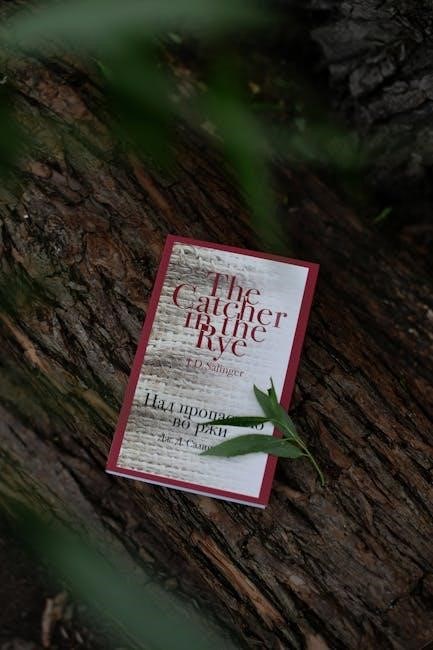
the catcher in the rye pdf

The Catcher in the Rye PDF: A Comprehensive Guide (Updated 02/17/2026)

Today, February 17th, 2026, finding a free, legal PDF of J․D․ Salinger’s The Catcher in the Rye proves challenging due to copyright restrictions and online availability․

Understanding the Search for a Catcher in the Rye PDF

The desire to access The Catcher in the Rye as a PDF is widespread, fueled by its enduring popularity and status as a literary classic․ Many students, researchers, and casual readers seek a convenient, digital format for study and enjoyment․ However, the search often leads to frustration, as readily available, legitimate PDF versions are scarce․

The core issue stems from copyright law․ J․D․ Salinger’s work remains protected, preventing free distribution of the complete novel in PDF format․ Online searches frequently yield results from unofficial sources, raising concerns about legality and security․ Users often encounter websites promising free downloads, but these frequently require sign-ups, contain malware, or offer incomplete versions․

The appeal of a PDF lies in its portability and accessibility․ Readers can access the book on various devices – laptops, tablets, and smartphones – without needing a physical copy․ Despite this convenience, navigating the online landscape requires caution and awareness of potential risks associated with unauthorized downloads․

Legality of Free PDF Downloads

Downloading a PDF of The Catcher in the Rye from unauthorized sources is generally illegal․ As a copyrighted work, distributing or obtaining the book without permission from the copyright holder – the Salinger estate – constitutes copyright infringement․ This can lead to legal consequences, though prosecution of individual downloaders is relatively rare․

Websites offering “free PDF downloads” often operate in a legal gray area, or outright violate copyright laws․ These sites frequently rely on advertising revenue or collect user data, potentially exposing visitors to malware and viruses․ Even if a site doesn’t require payment, accessing copyrighted material without authorization is unlawful․

Legitimate access requires purchasing the eBook from authorized retailers or borrowing it from a library․ While temporary access might be available through subscription services like Scribd via free trials, permanent free PDF downloads are not legally obtainable․ Respecting copyright protects authors and encourages continued literary creation․

Copyright Status of The Catcher in the Rye

J․D․ Salinger’s The Catcher in the Rye remains fully protected by copyright, despite the author’s death in 2010․ Copyright extends for 70 years after the author’s death in many jurisdictions, meaning the book will not enter the public domain until 2080 in the United States, and similar timelines apply elsewhere․

This copyright protection grants exclusive rights to the Salinger estate, controlling reproduction, distribution, adaptation, and display of the work․ Consequently, creating and sharing PDF copies without permission is a violation of these rights․ The estate has historically been very protective of Salinger’s work, actively pursuing copyright infringements․

The lack of a public domain status explains the difficulty in finding legal, free PDF versions․ While excerpts may be used for educational purposes under fair use guidelines, distributing the entire novel requires explicit authorization from the copyright holder․ Any website claiming to offer a free, full PDF is likely operating illegally․

Why Free, Legal PDFs are Difficult to Find

The primary reason for the scarcity of free, legal Catcher in the Rye PDFs stems directly from its robust copyright protection, as previously discussed․ Publishers and the Salinger estate prioritize revenue generation through book sales and licensed digital editions․

Furthermore, the demand for the novel ensures continued profitability, diminishing any incentive to release a free PDF․ Unlike older works entering the public domain, there’s no legal pathway for widespread, cost-free distribution․ Attempts to circumvent copyright, like unauthorized scanning and uploading, are swiftly addressed with takedown notices․

Even promotional offers or limited-time free access are rare, as the book consistently maintains strong sales figures․ While libraries offer digital lending options, these are governed by licensing agreements, not outright free availability․ Consequently, legitimate access typically requires a purchase or library borrowing, making free, legal PDFs exceptionally hard to locate․

Exploring Available Options for Accessing the Book

Despite the difficulty finding free PDFs, purchasing options, library access, and subscription services like Scribd offer legitimate ways to experience The Catcher in the Rye․

Official Sources for Purchasing the Book

Securing a copy of The Catcher in the Rye through official channels guarantees a legitimate reading experience and supports the author’s estate․ Major booksellers, both online and in brick-and-mortar stores, consistently stock this classic novel․ Purchasing directly from these sources ensures you receive a high-quality edition, free from the risks associated with unauthorized downloads․

Leading retailers like Amazon, Barnes & Noble, and independent bookstores offer various formats, including paperback, hardcover, and digital editions․ These platforms often feature customer reviews, allowing prospective readers to gauge the quality and content of the book․ Furthermore, buying from official sources contributes to the continued availability of literature and respects copyright laws․

Consider exploring the publisher’s website for exclusive editions or bundled offers․ Direct purchases often come with added benefits, such as author interviews or supplementary materials․ Avoiding unofficial PDF sources protects you from potential malware and ensures you’re enjoying a legally obtained copy of this iconic work․

Digital Book Retailers (Kindle, Kobo, etc․)

Numerous digital book retailers provide convenient access to The Catcher in the Rye, offering a legal alternative to searching for elusive PDF downloads․ Platforms like Kindle, Kobo, and Apple Books allow readers to purchase and instantly download the eBook to their preferred devices․

These retailers often feature competitive pricing and promotional offers, making digital copies an affordable option․ Furthermore, eBooks offer adjustable font sizes, built-in dictionaries, and the ability to highlight and annotate passages – enhancing the reading experience․ Synchronization across multiple devices ensures seamless reading, regardless of location․

While temporary access might be available through subscription services, purchasing the eBook provides permanent ownership․ Digital retailers prioritize secure transactions and copyright protection, safeguarding both the reader and the author’s rights․ Choosing these platforms supports the literary ecosystem and guarantees a legitimate copy of Salinger’s masterpiece․

Library Access: Borrowing the eBook or Physical Copy

Public and academic libraries represent a fantastic, legal avenue for accessing The Catcher in the Rye without purchasing it․ Many libraries offer digital lending services, allowing patrons to borrow eBooks directly through platforms like Libby or OverDrive, eliminating the need to search for potentially risky PDF downloads․

This service is typically free with a valid library card, providing a cost-effective solution for readers․ Beyond eBooks, physical copies are readily available for borrowing, offering a traditional reading experience․ Library collections are continually updated, ensuring access to popular titles like Salinger’s novel․

Libraries champion intellectual freedom and responsible access to information, upholding copyright laws․ Borrowing from a library supports these vital institutions and promotes literacy within the community․ Checking your local library’s website or visiting in person will reveal their holdings and digital lending options for The Catcher in the Rye․

Subscription Services Offering the Book (Scribd, etc․)

Digital subscription services, such as Scribd, present another legitimate pathway to reading The Catcher in the Rye․ These platforms operate on a monthly or annual fee, granting access to a vast library of eBooks, audiobooks, and other digital content․ While not a free PDF download, they offer a legal and convenient alternative․

Scribd, for instance, sometimes includes The Catcher in the Rye in its catalog, though availability can fluctuate due to licensing agreements․ Many such services offer free trial periods, potentially allowing temporary access to the book․ However, users should carefully review the terms and conditions of these trials to avoid unexpected charges․

Choosing a subscription service provides a secure and copyright-compliant reading experience, avoiding the risks associated with downloading from unverified sources․ It’s a viable option for avid readers who consume multiple books regularly, offering substantial value beyond a single title․

Navigating PDF Websites and Potential Risks

Numerous websites advertise free PDF downloads, but accessing The Catcher in the Rye this way carries significant risks, including malware, viruses, and copyright infringement․

PDFDrive and Similar Platforms: A Cautionary Approach

PDFDrive and comparable platforms offering seemingly free PDF downloads of copyrighted works like The Catcher in the Rye necessitate extreme caution․ While these sites boast extensive libraries, their legality and security are highly questionable․ The availability of the book on such platforms doesn’t equate to lawful access; it often signifies copyright violation․

Users frequently encounter deceptive advertising, intrusive pop-ups, and potentially harmful downloads when navigating these websites․ The “free” access is often subsidized by aggressive advertising practices or, more concerningly, by distributing malware and viruses․ Downloading from unverified sources exposes your device and personal information to significant risk․

Furthermore, the quality of PDFs found on these sites can be subpar, featuring scanning errors, missing pages, or poor formatting․ It’s crucial to remember that supporting illegal distribution undermines authors and publishers, hindering the creation of future literary works․ Prioritize legal and ethical access methods instead․

Risks Associated with Downloading from Unverified Sources

Downloading The Catcher in the Rye PDF from unverified websites carries substantial risks beyond simply violating copyright law․ These platforms are breeding grounds for malicious software, including viruses, malware, and spyware, which can compromise your device and steal sensitive data․ Often disguised as legitimate files, these threats can cause significant damage․

Unverified sources frequently lack adequate security protocols, leaving your computer vulnerable to hacking and identity theft․ Pop-up advertisements and deceptive download links are common tactics used to trick users into installing unwanted programs․ Even seemingly harmless PDFs can contain embedded malicious code that activates upon opening․

Furthermore, the downloaded file itself might be corrupted or incomplete, rendering it unusable․ Protecting yourself requires vigilance and a commitment to accessing content through legitimate, secure channels․ Prioritizing your digital safety is paramount when seeking digital copies of copyrighted material․

Malware and Virus Concerns with Illegal Downloads

Illegally downloading a Catcher in the Rye PDF significantly elevates your risk of encountering malware and viruses․ Unofficial websites offering free copies often bundle these malicious programs with the desired file, exploiting users seeking convenient access․ These threats range from annoying adware to devastating ransomware, capable of encrypting your data and demanding payment for its release․

Viruses embedded within seemingly harmless PDFs can corrupt system files, leading to crashes, data loss, and compromised performance․ Malware can also silently steal personal information, including passwords, financial details, and browsing history․ The lack of security vetting on these sites means there’s no guarantee the file is what it claims to be․

Protecting yourself requires a robust antivirus program and a cautious approach to online downloads․ Always scan downloaded files before opening them, and avoid websites with a history of distributing illegal content․ Prioritize legal avenues for accessing the book to safeguard your digital wellbeing․

The Importance of Secure Websites (HTTPS)

When searching for a Catcher in the Rye PDF, prioritizing websites utilizing HTTPS is crucial for online safety․ The “S” signifies a secure connection, encrypting data transmitted between your device and the website, protecting your personal information from potential interception․ Websites lacking HTTPS are vulnerable to “man-in-the-middle” attacks, where malicious actors can steal your data․

Even if a site appears legitimate, the absence of HTTPS is a significant red flag․ Look for the padlock icon in your browser’s address bar – this visually confirms a secure connection․ Avoid entering any personal details, such as payment information or email addresses, on non-HTTPS sites․

While HTTPS doesn’t guarantee a site is entirely trustworthy, it’s a fundamental security measure․ Coupled with caution and a reputable antivirus program, it significantly reduces your risk when navigating the internet in search of digital books like this classic novel․

The Book Itself: A Summary and Analysis

J․D․ Salinger’s novel centers on Holden Caulfield’s expulsion and subsequent journey through New York City, grappling with “phoniness” and seeking genuine connection․

Plot Overview: Holden Caulfield’s Journey

The narrative unfolds following Holden Caulfield’s dismissal from Pencey Prep, his latest in a string of boarding school expulsions․ Rather than returning home immediately to face his parents, Holden embarks on a solitary sojourn through New York City during Christmas time․ This period becomes a crucial exploration of his internal turmoil and disillusionment with the adult world, which he perceives as overwhelmingly “phony․”

His journey isn’t marked by grand adventures, but rather a series of fleeting encounters – with former teachers, acquaintances, and strangers․ He wanders through Central Park, attempts to reconnect with old flames, and contemplates his future․ A central focus is his deep affection for his younger sister, Phoebe, representing a purity he desperately seeks but feels increasingly distant from․ The lost foils on the subway symbolize his carelessness and inability to hold onto things of value․ Ultimately, Holden’s breakdown and subsequent institutionalization hint at a fragile mental state, leaving his future uncertain․

Key Characters: Holden, Phoebe, Stradlater, Ackley

Holden Caulfield, the protagonist, is a cynical and alienated teenager grappling with grief, identity, and the perceived hypocrisy of the adult world․ His narration drives the entire story, colored by his unique perspective and emotional vulnerability․

Phoebe Caulfield, Holden’s younger sister, embodies innocence and genuine connection․ She serves as a beacon of hope and a source of comfort for Holden, representing the purity he desperately tries to preserve․

Stradlater is Holden’s handsome and popular roommate, representing the superficiality and “phoniness” that Holden despises․ Their conflict highlights Holden’s anxieties about sex and relationships․

Ackley is a socially awkward and irritating classmate who provides a contrasting, yet equally flawed, portrayal of adolescence․ His presence underscores Holden’s feelings of isolation and his difficulty forming genuine connections․

Major Themes: Phoniness, Alienation, Loss of Innocence

Phoniness is arguably the central theme, representing Holden’s intense aversion to hypocrisy and artificiality in the adult world․ He constantly criticizes those he deems “phony,” revealing his yearning for authenticity and genuine connection․

Alienation permeates Holden’s experience, stemming from his expulsion from school, the death of his brother Allie, and his inability to connect with others on a meaningful level․ This isolation fuels his cynicism and contributes to his emotional distress․

The loss of innocence is a poignant theme, as Holden struggles to reconcile his idealized view of childhood with the complexities and disappointments of adulthood․ He desperately tries to protect Phoebe’s innocence, symbolizing his own desire to preserve a lost purity․

These interconnected themes explore the universal struggles of adolescence, identity formation, and the search for meaning in a seemingly superficial world․

Symbolism in The Catcher in the Rye (The Red Hunting Hat)

Holden’s red hunting hat is a potent symbol throughout the novel, representing his individuality and desire for uniqueness․ He often wears it backwards, signaling his rejection of societal norms and his attempt to stand out from the “phonies” surrounding him․

The hat also embodies Holden’s vulnerability and need for protection․ It provides him with a sense of comfort and security in a world he perceives as hostile and alienating․ He frequently puts it on when feeling insecure or overwhelmed;

Furthermore, the red color itself can be interpreted as a symbol of passion, rebellion, and Holden’s emotional turmoil․ It draws attention to him, mirroring his own internal struggles and his longing for genuine connection․

Ultimately, the red hunting hat serves as a multifaceted symbol of Holden’s complex character and his journey towards self-discovery․

Resources for Studying The Catcher in the Rye

Numerous online resources, including study questions, literary analysis, SparkNotes, CliffsNotes, and academic databases, aid comprehension of Salinger’s impactful novel․

Study Questions and Discussion Guides

Delving into The Catcher in the Rye requires thoughtful consideration of its complex themes and characters․ Numerous online resources offer comprehensive study questions and discussion guides designed to facilitate deeper understanding․ These guides often explore Holden Caulfield’s motivations, his struggles with authenticity, and his alienation from society․

Questions typically focus on key passages, symbolism (like the red hunting hat), and the novel’s overall message regarding innocence and loss․ Educators and students alike utilize these resources to analyze Holden’s narrative voice, his relationships with Phoebe, Stradlater, and Ackley, and the significance of his journey through New York City․

Discussion prompts encourage critical thinking about the concept of “phoniness,” the impact of trauma, and the challenges of adolescence․ Exploring these guides enhances appreciation for Salinger’s literary techniques and the enduring relevance of this classic work, even when accessed through a PDF format․

Online Literary Analysis and Criticism

A wealth of scholarly resources exists online for analyzing J․D․ Salinger’s The Catcher in the Rye, even when studying a PDF version of the text․ Websites dedicated to literary criticism provide in-depth essays exploring the novel’s themes, characters, and historical context․ These analyses often dissect Holden Caulfield’s psychological state and the societal forces influencing his disillusionment․

Researchers and students can access diverse perspectives on the novel’s symbolism, narrative structure, and enduring cultural impact․ Many articles examine the book’s controversial reception and its continued relevance in contemporary literature․ Online databases offer peer-reviewed academic papers, providing rigorous interpretations of Salinger’s work․

Exploring these critical analyses enhances understanding beyond a simple reading of the PDF, fostering a more nuanced appreciation for the novel’s complexities and its place within the American literary canon․

SparkNotes and CliffsNotes Resources

For students utilizing a Catcher in the Rye PDF, resources like SparkNotes and CliffsNotes offer valuable supplementary materials․ These platforms provide chapter summaries, character analyses, and explorations of key themes – aiding comprehension of Salinger’s complex narrative․ While not substitutes for direct engagement with the text, they serve as useful study aids․

SparkNotes and CliffsNotes often include quizzes and practice questions, helping students assess their understanding of plot points and literary devices․ They also offer insights into the historical and cultural context surrounding the novel’s publication, enriching the reading experience․ However, it’s crucial to remember these are interpretations, and independent critical thinking remains essential․

These resources can be particularly helpful when navigating a PDF format, allowing for quick reference and focused study of specific sections of the book․

Academic Databases for Scholarly Articles

For in-depth analysis beyond basic study guides, academic databases are invaluable resources when studying The Catcher in the Rye, even while using a PDF version of the text․ Platforms like JSTOR, ProQuest, and Google Scholar host scholarly articles offering critical perspectives on Salinger’s novel․

These articles delve into complex themes like alienation, identity, and the loss of innocence, providing nuanced interpretations often absent in simpler summaries․ Researchers explore the novel’s literary techniques, historical context, and enduring cultural impact․ Access often requires institutional affiliation (university library access)․

Utilizing keywords like “Catcher in the Rye,” “J;D․ Salinger,” and specific themes will yield relevant results․ These scholarly sources enhance understanding and support well-informed essays or research papers, complementing the reading experience of the PDF․

Technical Aspects of PDF Files

PDFs of The Catcher in the Rye vary in size (555kb ─ 598․6MB) and compatibility; ensure you have a reliable PDF reader for optimal viewing․

File Size and Quality of PDFs

The file size of The Catcher in the Rye PDFs can fluctuate significantly, ranging from approximately 555 kilobytes to a substantial 598;6 megabytes, depending on the source and whether it includes images or advanced formatting․ Larger file sizes generally indicate higher quality scans or digitally formatted versions, potentially offering clearer text and better readability․ However, a large file size isn’t always a guarantee of quality; it could also result from inefficient compression or unnecessary elements․

Conversely, smaller PDFs might be compressed to reduce file size, potentially sacrificing some visual clarity․ When seeking a PDF, consider your device’s storage capacity and internet speed․ A larger file will take longer to download and may consume more storage space․ Prioritize PDFs from reputable sources to ensure a balance between file size and readability, avoiding those that appear pixelated or distorted․ Always verify the source before downloading to protect against potential malware․

PDF Compatibility and Readers

Generally, The Catcher in the Rye PDFs are widely compatible with most modern PDF readers, including Adobe Acrobat Reader, Preview (on macOS), and various mobile applications like Google PDF Viewer․ However, compatibility can sometimes depend on the PDF’s creation software and the version of your reader․ Older PDF readers might struggle with newer features or complex formatting․

If you encounter issues opening a PDF, ensure your PDF reader is up-to-date․ Consider trying a different reader to rule out software-specific problems; Occasionally, PDFs may require specific fonts to display correctly; if text appears garbled, installing the necessary fonts might resolve the issue․ Most readers offer accessibility features like text resizing and screen reading, enhancing the reading experience; Always scan downloaded PDFs with antivirus software before opening to mitigate potential security risks․

Troubleshooting PDF Opening Issues

Encountering problems opening a Catcher in the Rye PDF? First, verify the file isn’t corrupted during download․ Try re-downloading from the source․ If the issue persists, update your PDF reader (Adobe Acrobat Reader is recommended) to the latest version․ Clear the reader’s cache, as temporary files can sometimes cause conflicts․

If errors continue, try opening the PDF in a different reader – Preview on macOS or a web browser often work․ Check file permissions; ensure you have the necessary access rights․ Occasionally, PDFs with complex security settings may require a password (though legitimate sources shouldn’t require this)․ As a last resort, attempt repairing the PDF using online tools, but exercise caution with such services․ Remember to always scan any downloaded file with antivirus software before opening, protecting against potential malware․

Converting PDF to Other Formats (ePub, Mobi)

Want to read The Catcher in the Rye on a different device? Converting a PDF to ePub or Mobi allows compatibility with various e-readers like Kobo or Kindle․ Numerous online converters are available, such as Zamzar or Convertio, offering free conversions․ However, be mindful of the source PDF’s quality; complex formatting may not translate perfectly․

For optimal results, ensure the PDF is text-based, not a scanned image․ Image-based PDFs require Optical Character Recognition (OCR) before conversion, which can introduce errors․ Calibre, a free e-book management software, also offers robust conversion capabilities․ Always verify the converted file’s formatting and readability before relying on it․ Consider purchasing an ePub or Mobi version directly from a retailer for a guaranteed, high-quality reading experience, avoiding potential conversion issues․

medea euripides pdf

Medea by Euripides: A Comprehensive Guide

Euripides’ Medea offers a detailed study guide, including summaries, analyses, themes, quotes, and historical context, readily available in PDF format for academic exploration.

Furthermore, a Greek text with facing vocabulary and commentary, published January 5, 2025, is accessible, aiding in deeper textual understanding via PDF download.

Euripides’ Medea, a cornerstone of ancient Greek tragedy, dramatically explores themes of betrayal, revenge, and societal injustice. The play, rooted in the myth of Jason and Medea, presents a compelling narrative of a woman scorned and her devastating response to her husband’s infidelity. Numerous resources, including comprehensive study guides available as PDF downloads, offer detailed summaries and analyses of the text.

These guides, such as those from Norwood Secondary College, provide invaluable insights into the play’s complex characters, key themes, and historical context. The availability of the Greek text alongside facing vocabulary and commentary – also in PDF format – facilitates a deeper understanding for students and scholars alike.

Published in January 2025, this edition allows for close textual study. The play’s enduring relevance lies in its exploration of universal human emotions and its challenging portrayal of female agency within a patriarchal society, making it a frequently studied work.

The Myth of Jason and Medea

The story of Jason and Medea predates Euripides’ play, originating in ancient Greek mythology. Jason, leader of the Argonauts, sought the Golden Fleece, aided by Medea, a powerful sorceress and princess. She betrayed her father and brother to assist him, falling deeply in love and bearing his children. However, Jason later abandoned Medea, seeking a politically advantageous marriage to Glauce, the daughter of King Creon.

Euripides’ adaptation focuses on Medea’s furious response to this betrayal; Study guides, often available as PDF documents, detail the myth’s origins and Euripides’ innovative interpretation. These resources highlight how the playwright emphasizes the political and xenophobic elements surrounding Medea, a ‘barbarian’ woman in a Greek city.

The play isn’t simply a retelling of the myth; it’s a complex exploration of its consequences, particularly the devastating impact of Jason’s actions on Medea and their children. Accessing PDF versions of the text and accompanying analyses provides a richer understanding of this tragic narrative.

Historical Context of Euripides’ Medea

Euripides penned Medea in 431 BCE, during a turbulent period in Athenian history – the onset of the Peloponnesian War. This conflict fostered anxieties about Athenian identity and foreign threats, themes resonating within the play. The societal norms of the time heavily favored men, limiting women’s agency and reinforcing patriarchal structures, a key element explored in Medea’s plight.

Furthermore, Athens was a cosmopolitan city, yet often displayed xenophobia towards outsiders, mirroring the treatment of Medea as a ‘barbarian’ woman. Detailed historical context, often found in scholarly articles and study guides available as PDFs, illuminates these societal pressures.

Understanding this backdrop is crucial for interpreting Euripides’ work. The play wasn’t merely a mythological retelling, but a commentary on contemporary Athenian society. Accessing PDF resources offering historical analysis enhances comprehension of the play’s radical and challenging themes.

Analyzing the Text: Key Elements

PDF study guides provide detailed breakdowns of Medea’s core elements: character profiles, thematic analysis, and significant quotes for comprehensive textual understanding.

Character Analysis: Medea

Medea, as portrayed by Euripides, is a complex and fiercely intelligent woman driven to extremes by betrayal and societal constraints. PDF study guides dissect her transformation from a wronged lover to a vengeful force.

Initially presented as a sympathetic figure, abandoned by Jason, her character rapidly evolves. The play meticulously details her internal conflict, showcasing her potent magical abilities and sharp intellect. These resources highlight how Medea strategically manipulates situations to achieve her devastating goals.

Her famous soliloquies, readily available in textual PDFs, reveal a profound sense of injustice and a burning desire for retribution. Analysis emphasizes her agency, despite being an outsider in Corinth, and her defiance of traditional gender roles. The PDF materials explore the ethical implications of her actions, prompting debate about her motivations and the extent of her culpability.

Ultimately, Medea’s character is a chilling exploration of human passion, grief, and the destructive consequences of unchecked rage, thoroughly examined within these accessible PDF resources.

Character Analysis: Jason

Jason, in Euripides’ Medea, is presented as a pragmatic and self-serving character, prioritizing political advancement over personal loyalty. Detailed character profiles within PDF study guides reveal his flawed reasoning and moral compromises.

He justifies his marriage to Glauce, the daughter of Creon, as a necessary step to secure his and his children’s future, dismissing Medea’s contributions and sacrifices. PDF analyses highlight his arrogance and inability to empathize with Medea’s pain, portraying him as a betrayer motivated by ambition.

The play, accessible in full through various PDF versions, showcases Jason’s attempts to rationalize his actions, framing Medea as irrational and dangerous. However, these resources also expose the hypocrisy of his claims, revealing a man blinded by self-interest.

Ultimately, Jason’s character serves as a foil to Medea’s, illustrating the destructive consequences of patriarchal power dynamics and the devaluation of female agency, all thoroughly explored in available PDF materials.

Character Analysis: Creon and Theseus

Creon, as portrayed in Euripides’ Medea and detailed in accompanying PDF study guides, embodies the anxieties of a ruler concerned with maintaining order and protecting his lineage. He fears Medea’s power and exiles her, prioritizing the safety of his daughter, Glauce, above all else.

PDF analyses reveal Creon’s pragmatic, yet ultimately flawed, judgment, as his actions inadvertently trigger the tragic events that unfold. In contrast, Theseus offers a contrasting figure of Athenian hospitality and justice, providing Medea with sanctuary.

However, even Theseus’ benevolence is limited, as he remains largely unaware of Medea’s intentions, highlighting the play’s exploration of power imbalances and the difficulties of truly understanding another’s motives.

Comprehensive PDF resources demonstrate how both characters, despite their differing approaches, contribute to the play’s central themes of power, exile, and the consequences of political decisions, enriching the dramatic tension.

The Chorus’ Role and Significance

In Euripides’ Medea, the Chorus, thoroughly examined in available PDF study guides, serves as a crucial intermediary between the characters and the audience, offering commentary on the unfolding tragedy. They represent the voice of conventional Athenian society, expressing fear and apprehension regarding Medea’s actions.

PDF analyses highlight the Chorus’ evolving perspective, initially sympathetic to Creon and later horrified by Medea’s vengeful deeds. Their pronouncements often foreshadow events and provide moral context, though they frequently fail to grasp the full extent of Medea’s plans.

The Chorus doesn’t actively intervene to prevent the tragedy, instead lamenting the breakdown of traditional values and the dangers of unchecked passion.

Detailed PDF resources demonstrate how the Chorus’ presence amplifies the play’s emotional impact and underscores its exploration of societal norms, justice, and the complexities of human behavior within the Greek tragic framework.

Themes Explored in Medea

PDF study guides reveal central themes: betrayal, revenge, xenophobia, and gender roles. Euripides’ work, available in PDF format, examines justice and societal power dynamics.

Betrayal and Revenge

Euripides’ Medea, accessible through various PDF study guides, profoundly explores the devastating consequences of betrayal and the consuming nature of revenge. Jason’s decision to marry Glauce, a princess, is a pivotal act of betrayal against Medea, who sacrificed everything – her family, her homeland – for his ambition.

This act ignites a furious desire for retribution within Medea. The PDF resources highlight how her revenge isn’t simply reactive; it’s meticulously planned and horrifically executed, extending beyond Jason to encompass his new wife and, most tragically, their children.

Analysis within these PDF documents reveals that Euripides doesn’t present Medea’s revenge as purely villainous. He contextualizes it within a society that offers her little recourse, emphasizing her powerlessness as a foreign woman abandoned by her husband. The play, as detailed in the PDF guides, questions the morality of revenge, forcing audiences to confront the complexities of justice and the destructive cycle of violence.

Xenophobia and the Outsider

Euripides’ Medea, readily available in PDF format for scholarly study, powerfully portrays the themes of xenophobia and the plight of the outsider. Medea, a Colchian princess, is consistently viewed with suspicion and hostility by the citizens of Corinth due to her foreign origins.

PDF analyses reveal how Creon’s decree exiling Medea exemplifies the pervasive fear and distrust of those perceived as “other.” This fear isn’t merely personal; it’s rooted in the societal anxieties of ancient Greece regarding outsiders and their potential to disrupt the established order.

The PDF study guides emphasize that Medea’s intelligence and power further exacerbate these anxieties, making her a particularly threatening figure in the eyes of the Corinthian community. Her isolation and vulnerability, detailed within the PDF resources, contribute to her desperate actions, highlighting the damaging consequences of xenophobia and the marginalization of individuals based on their cultural background. Euripides uses Medea’s story to critique the prejudice prevalent in his society.

Gender Roles and Female Agency

Euripides’ Medea, accessible in comprehensive PDF study guides, offers a striking examination of gender roles and female agency in ancient Greece. The PDF materials highlight how Medea challenges conventional expectations of women, who were largely confined to the domestic sphere and expected to be submissive.

Medea’s intelligence, passion, and capacity for revenge are presented as traits that defy these limitations. PDF analyses demonstrate how her actions, though horrific, are a desperate assertion of power in a patriarchal society that denies her agency.

The play, as detailed in PDF commentaries, questions the double standards applied to men and women, particularly concerning infidelity and betrayal. Jason’s actions are largely excused, while Medea faces severe consequences for transgressing societal norms. Through Medea’s tragic fate, Euripides compels audiences to confront the constraints imposed upon women and the devastating consequences of denying them autonomy, as explored in various PDF resources.

Justice and Morality

Euripides’ Medea, readily available in detailed PDF study guides, profoundly questions conventional notions of justice and morality. The PDF resources reveal a complex portrayal where revenge, though brutal, is presented as a response to perceived injustice inflicted upon Medea by Jason.

The play, as analyzed in PDF commentaries, doesn’t offer easy answers regarding right and wrong. Medea’s infanticide, a horrific act, forces audiences to grapple with the limits of moral condemnation and the circumstances that might drive someone to such extremes. PDF analyses explore whether her actions can be understood, if not justified, within the context of her betrayal and abandonment.

Furthermore, the PDF materials highlight the play’s critique of societal structures that fail to provide fair recourse for those wronged. The lack of legal or social support for Medea contributes to her descent into vengeance. Euripides challenges audiences to consider the complexities of justice and the potential for morality to be shaped by power dynamics, as detailed in comprehensive PDF versions of the text.

Resources for Studying Medea

PDF versions of Euripides’ Medea, including Greek texts with commentary and student translation sheets, are readily available online for in-depth study and analysis.

Available PDF Versions of the Text

Several PDF resources facilitate the study of Euripides’ Medea, catering to diverse learning needs. Norwood Secondary College’s Library Guides offer a comprehensive study guide in PDF format, encompassing summaries, analyses, thematic breakdowns – including an interactive visual representation – essential quotes, detailed character profiles, and crucial historical context.

For those engaging directly with the Greek text, a valuable resource is “Euripides Medea: Greek Text with Facing Vocabulary and Commentary,” available as an 11.4mb PDF, published on January 5, 2025, and obtainable through Amazon. This edition provides immediate linguistic support.

Additionally, student translation sheets, a 71-page PDF of 0.5mb, are available, presenting the Greek text with lined spaces for direct translation practice. These resources empower students to engage deeply with the original language and nuances of the play, fostering a richer understanding of Euripides’ masterpiece.

Online Commentary and Analysis

Beyond PDF texts, a wealth of online commentary and analysis enhances understanding of Euripides’ Medea. While specific dedicated online commentaries in PDF format aren’t explicitly detailed in the provided sources, the Norwood Secondary College study guide – available as a PDF – functions as a robust analytical resource.

Discussions surrounding the play frequently appear on online forums and educational platforms. These platforms often host student essays, teacher notes, and interpretations of key scenes, offering diverse perspectives; Examining these discussions can illuminate the play’s enduring relevance and complex themes.

Furthermore, resources linked to the available PDFs, such as Amazon product pages for the Greek text with commentary, may contain customer reviews and scholarly discussions. Exploring these avenues provides a broader context for interpreting Euripides’ work and appreciating its lasting impact on literature and theatre.

Study Guides and Character Profiles

Comprehensive study guides, often available as PDF downloads, are invaluable resources for students and enthusiasts of Euripides’ Medea. The Norwood Secondary College Library Guide stands out, offering a thorough summary, detailed analysis, and an interactive visual breakdown of the play’s central themes – all within a readily accessible PDF document.

This guide also includes essential character profiles, providing insights into the motivations and complexities of figures like Medea, Jason, Creon, and Theseus. These profiles aid in understanding the intricate relationships and power dynamics driving the narrative.

While the provided text doesn’t detail numerous other PDF study guides, searching academic databases and educational websites will reveal further resources. These guides typically include scene-by-scene analyses, explorations of key quotations, and critical essays, enhancing comprehension of this classic tragedy;

Specific Focus: The Infanticide Scene

Euripides’ depiction of infanticide is a vile crime, sparking ethical debate and diverse interpretations, with textual analysis available in PDF study guides.

The Ethical Implications of Medea’s Act

Medea’s infanticide presents profound ethical challenges, forcing audiences to confront the boundaries of justifiable revenge and the sanctity of life. The act, though horrific, is rooted in her profound betrayal and abandonment by Jason, fueling a desperate attempt to inflict maximum pain.

Analyzing the play through available PDF study guides reveals a complex moral landscape. Is her action a consequence of patriarchal oppression, denying her agency and driving her to extremes? Or is it a purely monstrous act, devoid of any mitigating circumstances?

The PDF resources highlight the ancient Greek context, where societal norms differed significantly from modern sensibilities. However, the fundamental question of maternal responsibility remains universally relevant. Examining scholarly commentary, often found in PDF format, demonstrates the enduring debate surrounding Medea’s motivations and the ethical weight of her choice.

Ultimately, Euripides doesn’t offer easy answers, instead prompting viewers to grapple with the uncomfortable realities of human passion, societal injustice, and the devastating consequences of unchecked vengeance, all explored in detail within accessible PDF analyses.

Interpretations of the Infanticide

Interpretations of Medea’s infanticide are diverse, ranging from viewing it as a barbaric act of revenge to a politically motivated statement against Jason and Creon’s power. PDF study guides often present feminist readings, arguing it’s a desperate assertion of agency in a patriarchal society that stripped her of status and voice.

Some scholars, detailed in accessible PDF commentaries, suggest the act is a perversion of maternal instinct, a horrific demonstration of Medea’s magical power and her willingness to defy natural order. Others see it as a logical, albeit extreme, extension of her character – a woman scorned who will stop at nothing to achieve retribution.

Analyzing the play through PDF resources reveals that Euripides intentionally avoids providing a definitive moral judgment. He presents the act as shocking and appalling, yet simultaneously explores the circumstances that led to it, prompting audiences to question conventional notions of justice.

The availability of the Greek text in PDF format allows for close reading, revealing nuances in the language that support various interpretations, solidifying the tragedy’s enduring complexity and provoking ongoing debate.

Modern Reactions to the Infanticide

Modern reactions to Medea’s infanticide remain profoundly disturbing, often eliciting strong emotional responses and ethical debates. Contemporary productions, analyzed in numerous PDF scholarly articles, frequently grapple with how to stage such a horrific act without sensationalizing it or diminishing its gravity.

Many modern interpretations, accessible through PDF study guides, focus on the psychological trauma driving Medea’s actions, exploring themes of abandonment, betrayal, and the societal pressures faced by women. Some productions emphasize the political context, highlighting the xenophobia and power imbalances that contribute to her desperation.

The act continues to spark controversy, with some critics condemning it as unforgivable, while others view it as a tragic consequence of systemic injustice. PDF versions of critical essays reveal a consistent tension between condemning the act and understanding its motivations.

Recent theatrical adaptations, like the upcoming production by Bump in the Night Theatre, promise “bloody, magical” explorations, suggesting a continued fascination with the dark complexities of Euripides’ tragedy and its enduring relevance, readily available for study in PDF form.

ride london 2024 route map pdf

Ride London 2024 Route Map PDF: A Comprehensive Guide

Detailed maps, including the 26th May 2024 road closure details, are available as PDFs․ These resources showcase the 2024 route compared to 2023, aiding participant and spectator planning․

RideLondon 2024 promises another spectacular cycling event, drawing participants and spectators alike to experience the thrill of the race and the beauty of the course․ Understanding the route is paramount for both riders preparing for the challenge and those planning to cheer from the sidelines․ This guide focuses on providing a comprehensive overview of the RideLondon-Essex 100 route, with readily accessible PDF maps and resources․

Detailed route maps, including those outlining road closures effective May 26th, 2024, are crucial for planning․ Comparing the 2024 route with the 2023 iteration helps visualize changes and anticipate course features․ Accessing these PDF documents ensures participants and spectators are well-informed, maximizing their enjoyment and minimizing disruptions․ The route begins at Victoria Embankment and culminates at Tower Bridge, passing iconic landmarks․

What is RideLondon?

RideLondon is an annual festival of cycling, born from the legacy of the 2012 Olympic Games․ It encompasses various cycling events, with the flagship RideLondon-Essex 100 being a hugely popular 100-mile sportive on closed roads․ The event aims to inspire people to get on their bikes and enjoy cycling, promoting a healthy lifestyle and showcasing London and Essex’s stunning scenery․

Understanding the event’s scope is key to navigating the available resources, including detailed route maps often available as PDF downloads․ These maps are essential for participants preparing for the ride and spectators wanting to find optimal viewing points․ Knowing the route – from Victoria Embankment to Tower Bridge – and being aware of road closures (detailed in PDFs dated May 26th, 2024) is vital for a smooth experience․

RideLondon 2024 Dates and Overview

RideLondon 2024’s main event, the Ford RideLondon-Essex 100, took place on Sunday, June 29th, 2024․ Alongside this, related events like the Colchester Food & Drink Festival (June 29th) added to the weekend’s attractions․ Accessing the official route map in PDF format is crucial for understanding the event’s layout and planning accordingly․

The event’s overview highlights a course starting at Victoria Embankment and finishing at Tower Bridge, traversing central London, the East End, Newham, and a significant stretch of the A12․ Detailed PDFs, including the road closure map from May 26th, 2024, provide essential information for both participants and spectators․ These resources outline estimated race passage times and help avoid disruption during the event․

Detailed Route Information

Route details reveal a journey from Victoria Embankment to Tower Bridge, encompassing Central London, the East End, Newham, and the A12 dual carriageway sections․

RideLondon-Essex 100 Route

The prestigious RideLondon-Essex 100 commences on Victoria Embankment in central London, offering a grand start for participants․ The meticulously planned route then guides cyclists through iconic London landmarks, transitioning into the vibrant East End and Newham areas․ A significant portion of the course involves navigating the A12 dual carriageway, demanding endurance and focus from riders․

Detailed route maps, available in PDF format, illustrate the course’s progression, highlighting key landmarks and challenging segments․ Comparing the 2024 route with the 2023 iteration reveals subtle adjustments designed to enhance the rider experience and optimize traffic flow․ These maps are crucial for both participants preparing their strategy and spectators planning their viewing points along the 100-mile journey, culminating at the iconic Tower Bridge finish line․

Start Location: Victoria Embankment

Victoria Embankment serves as the iconic starting point for the Ford RideLondon-Essex 100․ This central London location provides a spectacular backdrop for the commencement of the 100-mile cycling challenge․ Detailed route maps, readily available as PDFs, clearly indicate the precise start area and initial direction of travel from this prominent riverside location․

Participants should consult the official RideLondon documentation, including the route map PDF, for specific start wave timings and assembly instructions․ The Embankment’s proximity to major transportation hubs facilitates access for riders arriving from various locations․ Spectators are also encouraged to utilize the route maps to identify optimal viewing spots near the start, witnessing the energy and excitement as the race begins its journey towards Tower Bridge․

Finish Location: Tower Bridge

Tower Bridge marks the triumphant finish line for the Ford RideLondon-Essex 100, offering a stunning and symbolic conclusion to the challenging ride․ Route maps, available in PDF format, clearly illustrate the final approach to the bridge and the designated finish area․ These maps are crucial for both participants and spectators planning to witness the culmination of the event․

The official RideLondon documentation, including the detailed route map PDF, provides essential information regarding the finish procedures and post-ride facilities․ Spectators can utilize the maps to identify prime viewing locations along the final stretch, experiencing the exhilaration as riders cross the finish line․ Understanding the route’s final kilometers, as depicted in the PDF, is vital for efficient travel and optimal viewing opportunities․

Key Landmarks Along the Route

The RideLondon-Essex 100 route passes through iconic London locations, detailed within the official route map PDF․ From the starting point on Victoria Embankment, riders navigate past recognizable landmarks, offering a unique perspective of the city․ The route encompasses Central London, the East End, and Newham, with the PDF highlighting key points of interest along the way․

These landmarks aren’t merely scenic points; they serve as navigational aids for participants and spectator focal points․ The route map PDF visually represents these locations, aiding in planning and tracking rider progress․ Understanding the route’s geography, as presented in the PDF, enhances both the riding and viewing experience, showcasing London’s diverse urban landscape․

Central London Section

The initial segment of the RideLondon-Essex 100 traverses the heart of Central London, meticulously detailed within the official route map PDF․ Starting on Victoria Embankment, riders experience a vibrant urban landscape, passing through key areas before heading eastward․ The PDF clearly illustrates this section, showcasing the route’s navigation through the city’s core․

This portion of the ride offers a unique opportunity to experience London’s iconic architecture and bustling streets․ The route map PDF highlights critical junctions and potential congestion points within Central London, assisting riders with pre-race planning․ Understanding this initial section, as depicted in the PDF, is crucial for a smooth and enjoyable start to the 100-mile challenge․

East End & Newham Section

The RideLondon-Essex 100 route map PDF meticulously details the transition from Central London into the East End and Newham․ This section presents a shift in scenery, moving from iconic landmarks to the dynamic urban environment of East London․ The PDF visually guides riders through this change, highlighting key roads and junctions․

Navigating through Newham requires careful attention, and the route map PDF provides essential information regarding road layouts and potential challenges․ Riders can utilize the PDF to familiarize themselves with this section, ensuring a smoother passage․ The map clearly indicates the direction of travel and points of interest within the East End and Newham, aiding in both navigation and race strategy․

A12 Dual Carriageway Stretch

The RideLondon-Essex 100 route map PDF clearly illustrates the significant A12 dual carriageway section, a substantial portion of the 100-mile course․ This segment presents a different riding experience compared to the central London sections, demanding sustained effort and focus from participants․ The PDF provides a detailed visual representation of this stretch, highlighting its length and any notable features․

Riders can use the route map PDF to prepare for the A12, understanding its profile and potential wind conditions․ The map aids in pacing strategies for this long, relatively flat section․ It’s crucial to study this part of the route beforehand, as it forms a considerable challenge․ The PDF’s clarity ensures riders are well-informed about this key component of the race․

Route Maps and Resources

Official RideLondon 2024 route maps (PDF) are readily available, detailing road closures as of May 26th, 2024, and offering route comparisons from 2023․

Official RideLondon 2024 Route Map (PDF)

Accessing the official RideLondon 2024 route map in PDF format is crucial for both participants and spectators․ These detailed maps, released prior to the event – specifically, road closure maps dated May 26th, 2024 – provide a comprehensive overview of the 100-mile course․ The maps clearly illustrate the route starting from Victoria Embankment and culminating at Tower Bridge, highlighting key landmarks along the way․

These PDFs aren’t just visual guides; they include essential information regarding road closure timings and estimated race passage times․ Understanding these details is vital for planning spectator viewing points and minimizing disruption for local residents․ The maps also feature a key explaining symbols used to denote points of interest, train stations, and the direction of travel․ They are multi-page documents, some reaching up to 30 pages and 8MB in size, offering granular detail for effective preparation․

2024 Ride Route Compared to 2023

Analyzing the RideLondon route maps in PDF format reveals key differences between the 2024 iteration and the 2023 course․ While both routes share the iconic start on Victoria Embankment and finish at Tower Bridge, subtle adjustments impact the rider experience․ The 2024 route continues to traverse Central London, the East End, Newham, and a significant stretch of the A12 dual carriageway, but specific road sections may vary․

Comparing the PDFs allows riders to anticipate changes in elevation, road surface, and potential congestion points․ These maps are essential for experienced participants familiar with previous courses, enabling them to refine their pacing strategies․ The official PDFs provide a side-by-side visual comparison, highlighting alterations and ensuring riders are fully prepared for the challenges of the 2024 event․ Understanding these nuances is key to a successful ride․

Road Closure Map Details (26th May 2024)

The RideLondon 2024 road closure map, released on May 26th, 2024, is a crucial PDF resource for both residents and participants․ This detailed map outlines all affected roads and provides estimated times for race passage, minimizing disruption and maximizing spectator opportunities․ It visually represents the event route, clearly indicating areas inaccessible to traffic during the race․

The PDF includes a comprehensive key explaining symbols for different closure types and time windows․ Understanding this key is vital for planning alternative routes or travel arrangements․ The map spans 30 pages and is 8MB in size, offering granular detail across the entire course․ It’s a proactive tool for anyone needing to navigate London on race day, ensuring awareness of potential delays and facilitating smooth travel․

Map Key Explanation

The RideLondon 2024 route maps utilize a detailed key to ensure clarity for participants and spectators․ This key, found within the official PDF documents, explains the various symbols representing road closures, directional travel, and key landmarks․ Understanding these symbols is paramount for effective route planning and safe navigation during the event․

Specifically, the key differentiates between full road closures and partial restrictions, alongside estimated race passage times․ Symbols also denote the location of important facilities like train stations, and highlight geographical features such as rivers and highways․ The 2024 map builds upon previous iterations, maintaining consistent symbol usage for ease of understanding․ Careful review of the map key is highly recommended before traveling near the event route․

Practical Information for Participants & Spectators

Road closure times and spectator viewing points are detailed in the PDF maps․ Transportation options, including Uber and Lyft, are also readily available․

Road Closure Times and Estimated Race Passage

Detailed road closure maps, released on May 26th, 2024, are crucial for both residents and spectators planning to navigate London during the event․ These PDF resources outline specific times when roads will be inaccessible due to the race․

The maps also provide estimated race passage times for various points along the route, allowing viewers to anticipate when riders will be passing through key landmarks․ Understanding these timings is essential for securing optimal viewing positions and minimizing disruption․

Participants should carefully review the maps to understand access and egress points, as well as potential delays․ Spectators are encouraged to plan their journeys in advance, utilizing alternative transportation options like Uber or Lyft, considering the extensive road closures․ The comprehensive PDF guides aim to ensure a smooth and enjoyable experience for everyone involved․

Transportation Options to the Start/Finish

Navigating to the start at Victoria Embankment and finish at Tower Bridge requires careful planning due to anticipated road closures․ Several transportation options are available for participants and spectators․ Ride-sharing services like Uber and Lyft offer convenient alternatives, allowing users to request rides directly through their apps․

Utilizing the Uber app is straightforward, requiring only an email address and phone number․ A price estimator resource can help gauge potential costs․ For those preferring public transport, consider routes avoiding the event area․

The official RideLondon resources, including the route maps in PDF format, don’t detail specific public transport routes but highlight the need for pre-planning․ Remember to factor in extra travel time due to potential congestion and road restrictions․ Prioritize safety and allow ample time to reach your destination․

Spectator Viewing Points

The RideLondon-Essex 100 route passes through iconic London landmarks, offering numerous spectator viewing points․ While the official route map PDF doesn’t designate specific “best” spots, key areas include Central London sections and along the A12 dual carriageway stretch․ Consider locations near Tower Bridge for the dramatic finish․

The route also traverses the East End and Newham, providing opportunities for cheering on riders․ Reviewing the 26th May 2024 road closure map is crucial to identify accessible vantage points․ Remember to check estimated race passage times to avoid long waits․

Prioritize safety and respect road closures․ The route maps highlight key landmarks, aiding in pinpointing suitable viewing locations․ Plan your journey using available transportation options, like Uber or Lyft, to reach your chosen spot efficiently․

Safety Information and Guidelines

RideLondon prioritizes participant and spectator safety․ The event organizers maintain high standards, proactively ensuring a secure environment․ Review the official event documentation, accessible via the RideLondon 2024 route map PDF, for detailed guidelines․

Spectators should adhere to all road closure instructions and marshals’ directions․ Be aware of cyclists’ speed and maintain a safe distance․ Participants should familiarize themselves with the route, including potential hazards along the A12 dual carriageway․

Utilize the road closure map (26th May 2024) to plan your movements․ In case of emergencies, assistance is available from event personnel․ Uber and Lyft offer safe transportation options to and from the event․ Remember, real help is always available, both proactively and reactively․

Related Events & Programs

Explore complementary events like the Colchester Food & Drink Festival on June 29th, 2024․ Event details are often linked within the RideLondon route map PDF․

Ford RideLondon-Essex 100

The premier event, the Ford RideLondon-Essex 100, commences on Victoria Embankment and culminates at Tower Bridge, traversing a 100-mile course․ Detailed route maps, available in PDF format, illustrate the journey through Central London, the East End, Newham, and a significant stretch along the A12 dual carriageway․

These official route maps, including the 26th May 2024 road closure map, are crucial for both participants and spectators․ They highlight key landmarks and provide estimated race passage times․ Comparing the 2024 route with the 2023 iteration, as shown in available PDFs, reveals any alterations to the course․ The RIDE application assists with document submission related to the event, streamlining the process for regulated community members․

Understanding the map key is essential for interpreting the route effectively, ensuring a smooth and safe experience for everyone involved․ The PDF resources offer a comprehensive overview of this iconic cycling challenge․

Colchester Food & Drink Festival (Related Event)

Alongside RideLondon, the Colchester Food & Drink Festival, held on June 29th, 2024, at Castle Park, presents a complementary experience․ While not directly linked to the cycling route maps, it offers a delightful post-RideLondon activity or a weekend extension for visitors and participants․

Detailed event information, available in PDF format, showcases the festival’s offerings, including local produce, culinary demonstrations, and entertainment․ Though separate from the RideLondon route PDFs detailing Victoria Embankment to Tower Bridge, it provides a valuable resource for planning a broader trip․

Spectators and riders alike can explore Colchester’s vibrant food scene․ The festival’s PDF guide outlines the location within Castle Park and provides details on vendors and schedules․ Remember to utilize transportation options like Uber or Lyft, as detailed in related resources, to reach Colchester from the RideLondon finish line․

Digital Tools & Applications

Utilize apps like Uber and Lyft for transportation, alongside the RIDE application for document submission, complementing your access to the RideLondon 2024 route map PDF․

The RIDE Application for Document Submission

For regulated community members, the RIDE application streamlines the submission of essential documents electronically, eliminating traditional postal methods․ Currently, this system accepts submissions related to both the Part 201 and Part 213 programs, simplifying the process for all involved․

While seemingly unrelated to the RideLondon 2024 route map PDF directly, efficient document management is crucial for event organizers and participants alike․ A smooth administrative process ensures a well-run event, allowing everyone to focus on the ride itself;

The application’s digital format enhances accessibility and reduces processing times, contributing to a more organized and efficient event experience․ This proactive approach to document handling supports the overall success of RideLondon 2024, complementing the readily available route information․

Using Uber for Transportation

Planning your journey to or from the RideLondon 2024 event? Uber offers a convenient transportation solution, whether you’re a participant needing a ride to the Victoria Embankment start or a spectator heading to view the finish at Tower Bridge․ All you need is an email address and phone number to request a ride․

While the official RideLondon 2024 route map PDF details the course, getting to the course requires logistical planning․ Uber provides on-demand access to transportation, bypassing potential public transport congestion․ You can request a ride directly through the Uber app or even your web browser․

Need a cost estimate? Utilize Uber’s price estimator resource to understand potential fares․ Remember to factor in potential surge pricing during peak event times․ Uber prioritizes safety and respect, offering features and support throughout your journey․

Lyft as an Alternative Ride Option

Alongside Uber, Lyft presents another viable transportation alternative for navigating the RideLondon 2024 event․ Whether you’re accessing the start on Victoria Embankment, spectating along the A12 stretch, or heading to the finish at Tower Bridge, Lyft offers ride-sharing services․

Considering the detailed RideLondon 2024 route map PDF highlights extensive road closures, pre-planning your transport is crucial․ Lyft allows you to book rides on-demand, potentially avoiding public transport disruptions․ Drivers set their own schedules, offering flexibility․

Lyft distinguishes itself by allowing drivers to keep 100% of their tips and offering instant cash-out options․ This can be particularly useful during a large event like RideLondon, where demand and driver availability fluctuate․ Explore Lyft as a convenient and potentially cost-effective option․

Price Estimator Resources

Planning your travel around the RideLondon 2024 event requires considering potential transportation costs, especially with the extensive road closures detailed in the route map PDF․ Both Uber and Lyft offer price estimator tools to help you budget effectively․

These resources allow you to input your starting point (perhaps near a spectator viewing point along the route, or a location accessing Victoria Embankment) and destination (like Tower Bridge or Colchester for the related festival)․ The estimator provides an approximate fare range, factoring in distance and demand․

Utilizing these tools is particularly valuable during RideLondon, as surge pricing may occur due to increased demand․ Knowing the potential cost beforehand allows for informed decisions and avoids unexpected expenses․ Remember to check both Uber’s and Lyft’s estimators for the most accurate predictions․